

 swiss medicaXXI century S.A.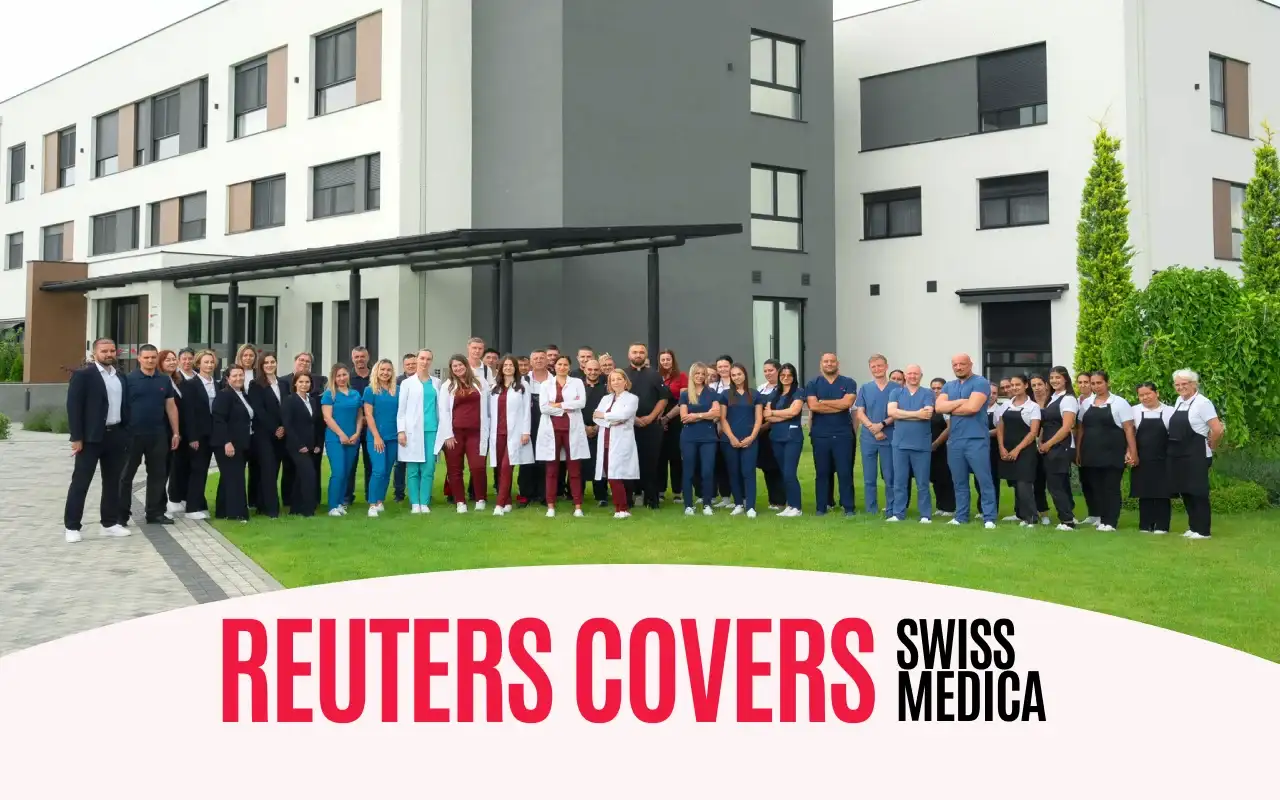
A Regenerative Medicine & Stem Cell Therapy Clinic Guided by Clinical Research
For more than a decade, Swiss Medica has been working with patients from around the world who are exploring advanced regenerative medicine options when conventional treatments have provided limited results. A significant portion of our clinical experience involves neurological, autoimmune, and degenerative conditions, among others.
Clinical Experience in Regenerative Medicine Since 2011

10,000+ patients
treated across various conditions

70+ countries
international patient base

250+ experts
multidisciplinary medical team

Stem cell hospital
integrated lab and comprehensive treatment center

31+ cell-based products
lab-developed in Europe and quality-controlled for clinical use

ASD care expertise
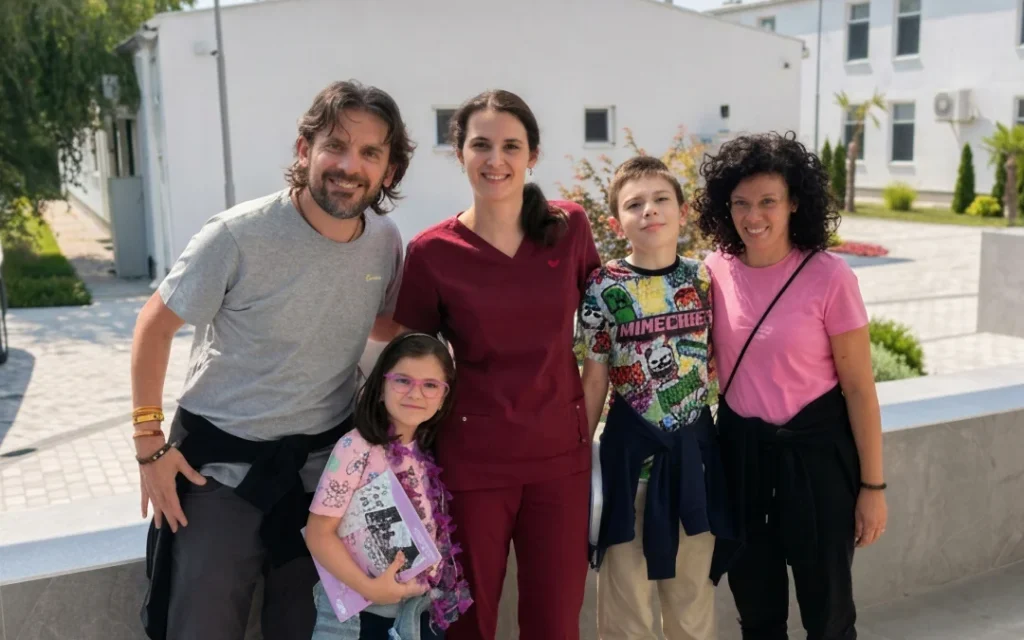
Consistent family-reported improvements
Start with a Free Medical Consultation
Our doctors will review your medical history and discuss possible treatment options.
During the consultation, they will:
- Answer your questions
- Assess your suitability for regenerative therapies
- Explain the treatment protocol, expected outcomes, and next steps
- Provide a cost breakdown and explain pricing factors
Submitting the form does not mean starting treatment. It allows our medical advisers to determine whether further evaluation is appropriate.
*
All cases are reviewed individually by medical professionals at our stem cell therapy center. Not all patients are eligible for regenerative therapies at a stem cell clinic.
Latest from Swiss Medica
Conditions We Work with
We support patients with a wide range of conditions where regenerative stem cell therapies are being explored alongside standard medical care.
Our team will help you understand whether this approach may be suitable for your situation. Each case is evaluated individually, based on current science and clinical experience, with a focus on safety and realistic expectations.


Regenerative Medical Care for Children with Autism Spectrum Disorders
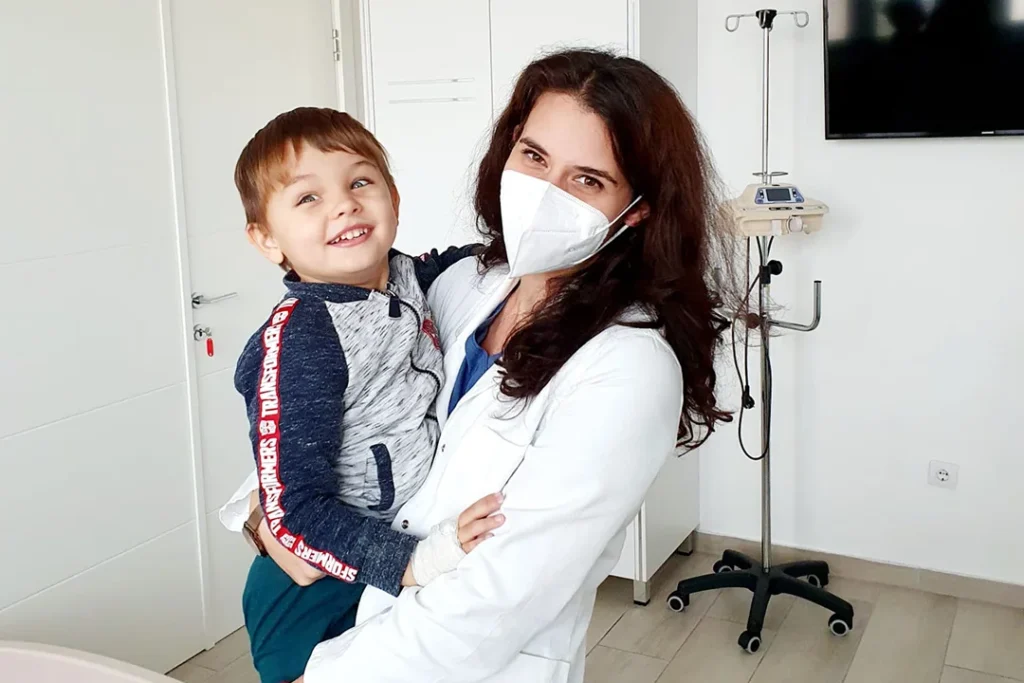
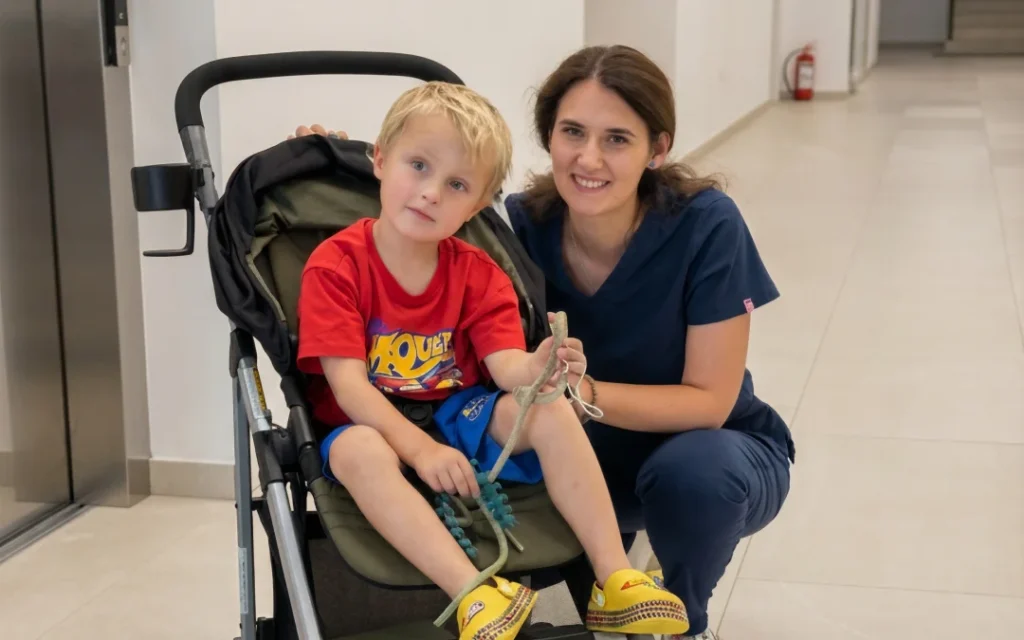
Swiss Medica has extensive experience supporting families of children with ASD, with over 3,000 pediatric ASD patients evaluated and treated within our medical programs over the years.
Many parents observe meaningful improvements in behavior, communication, and everyday skills, though each child’s response is unique. Our doctors take the time to understand your child and design an individualized care plan, which may include stem cell therapy alongside rehabilitation and supportive therapies.
Trusted by Patients Worldwide


500+ patient stories and counting
Discover how patients and families describe their journey with Swiss Medica—from initial consultation to recovery. Their outcomes align with a growing body of clinical research in stem cell therapies.
Results may vary depending on individual factors.
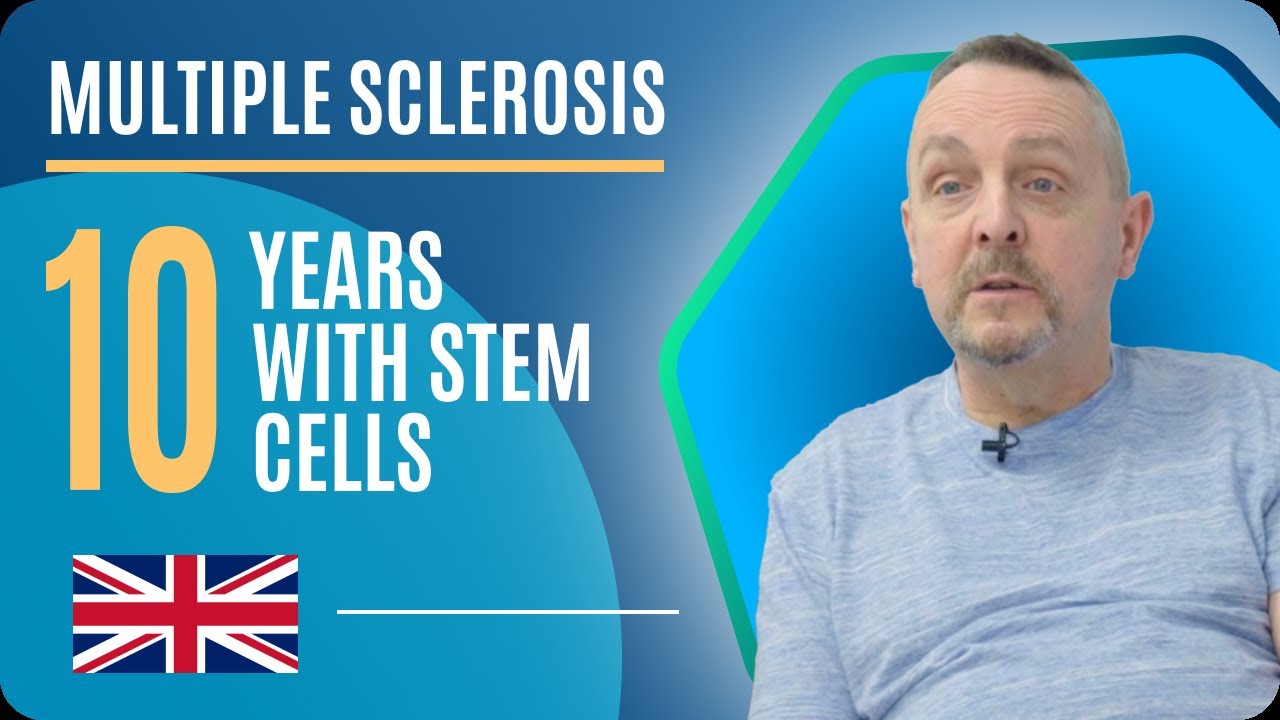
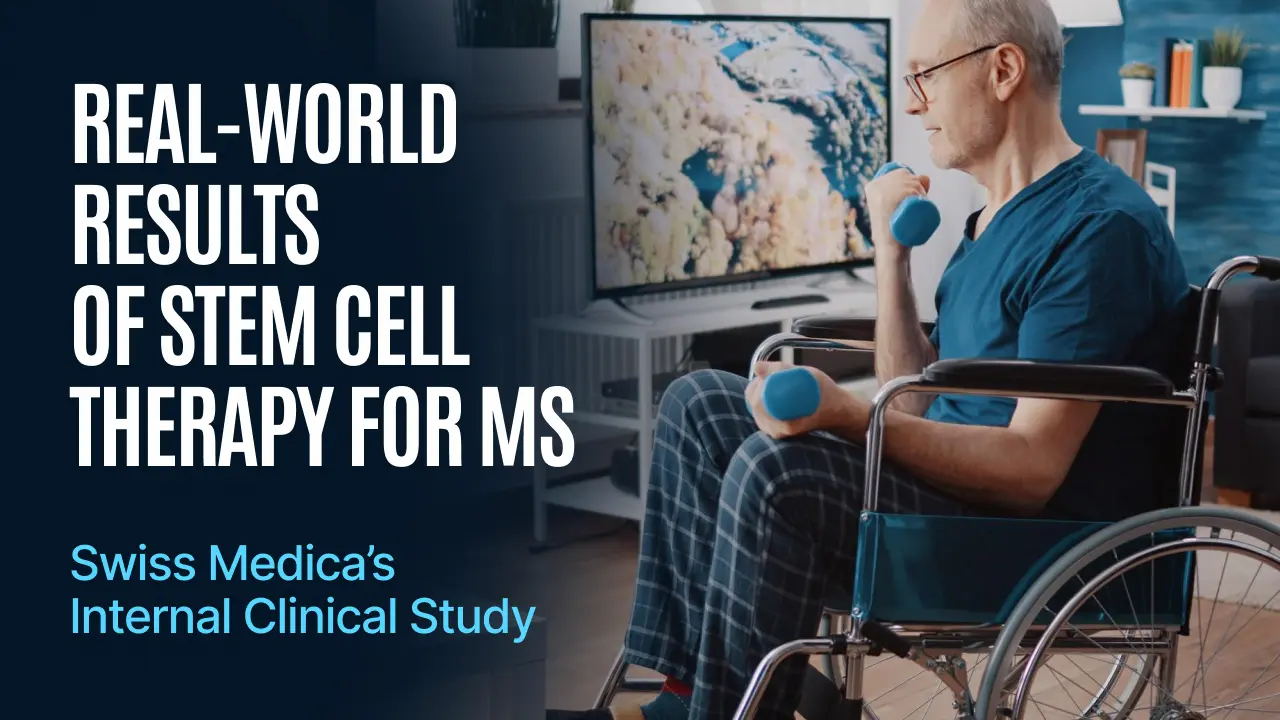
Stem Cell Treatment for Multiple Sclerosis: Avoiding a Wheelchair
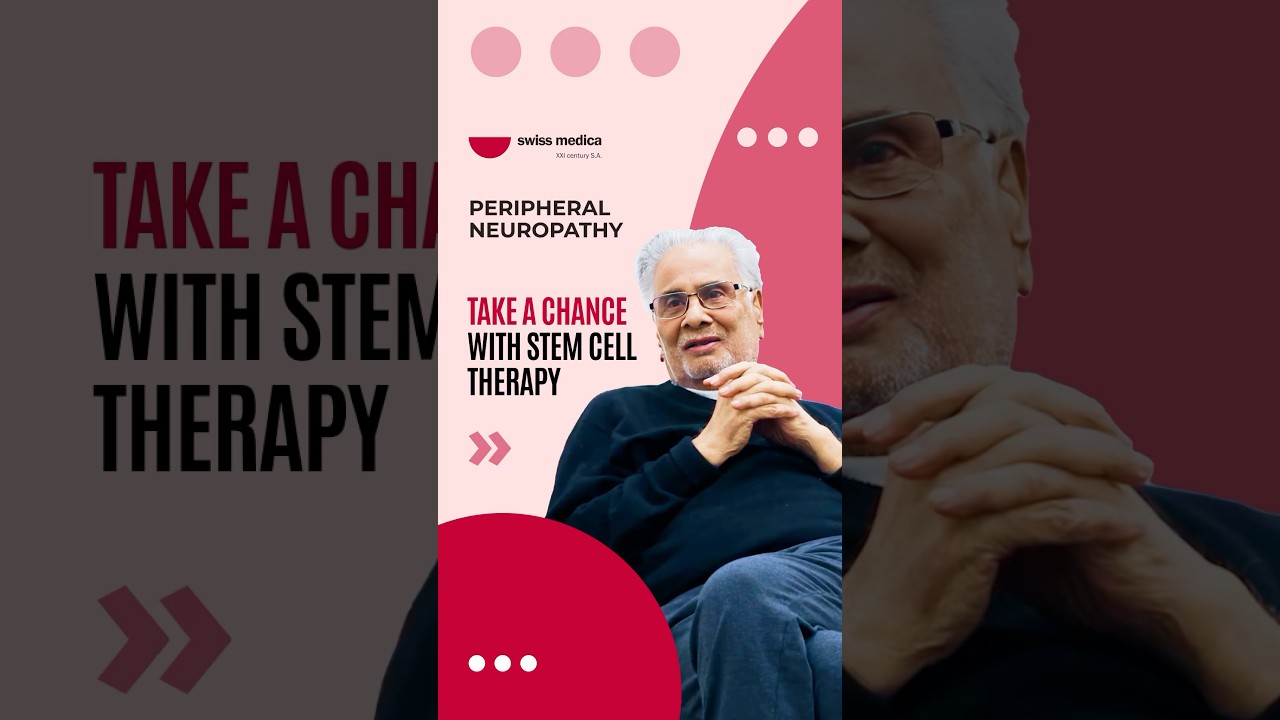
Peripheral Neuropathy: Patient's Journey with Stem Cells
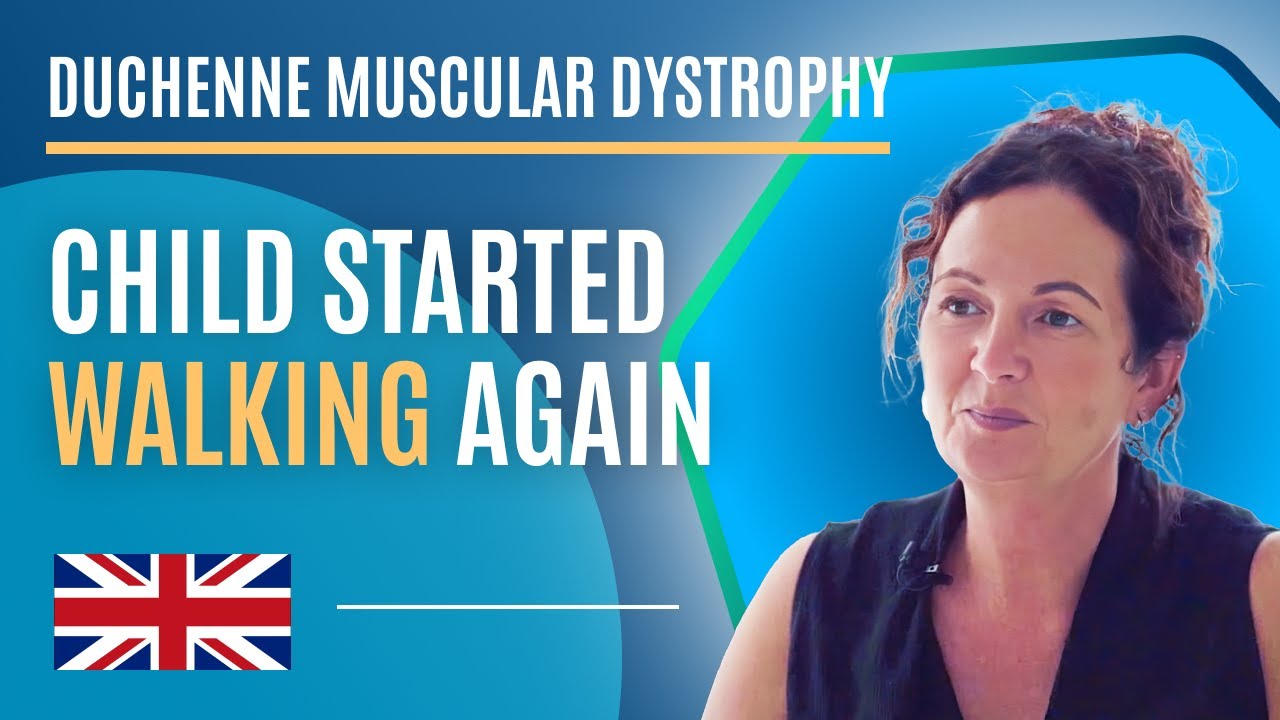
Stem Cells & Hope: Fight Against Duchenne Muscular Dystrophy
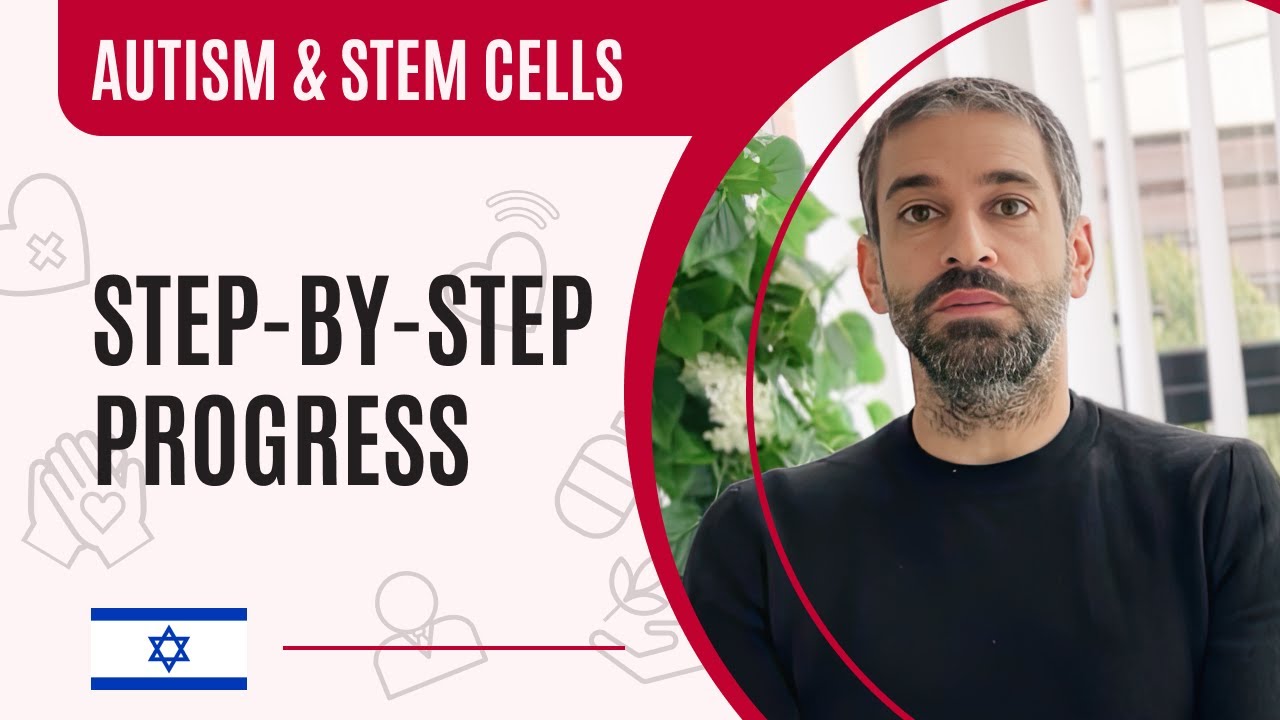
Autism & 3rd Stem Cell Therapy
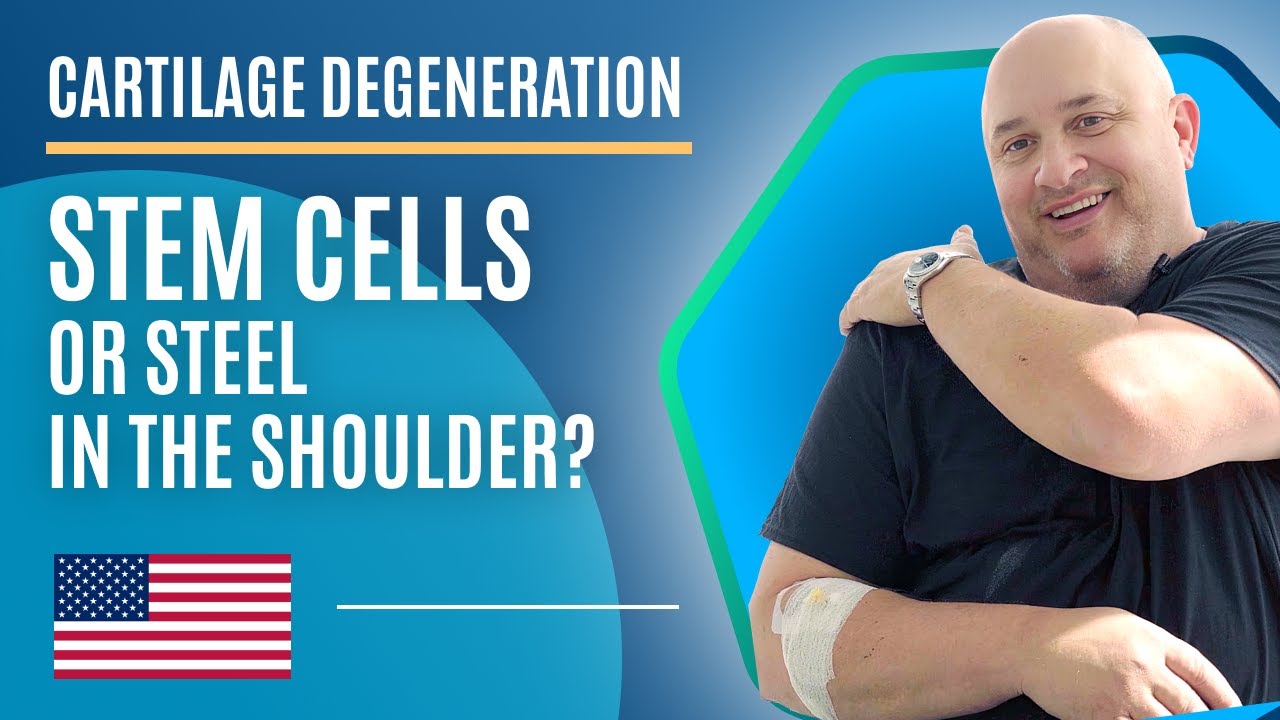
Stem Cells or Steel: Is Shoulder Regeneration Possible?
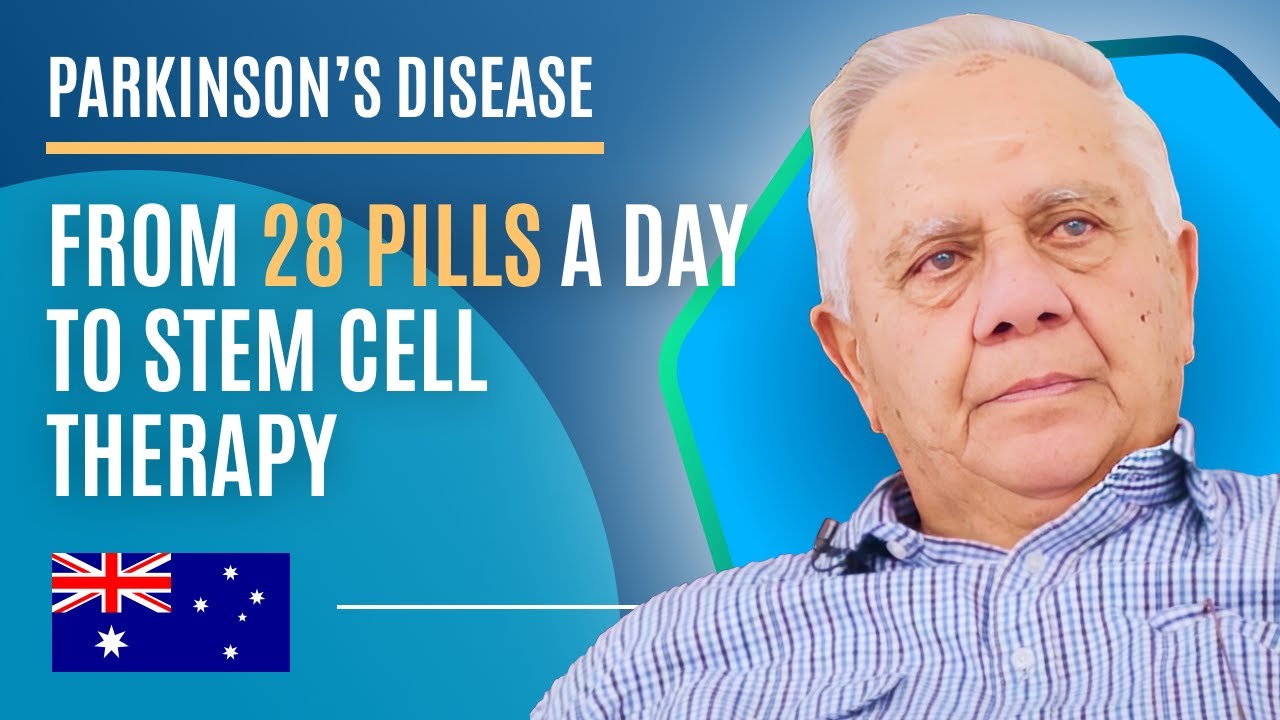
Is Stem Cell Therapy a New Hope for Parkinson's Disease?
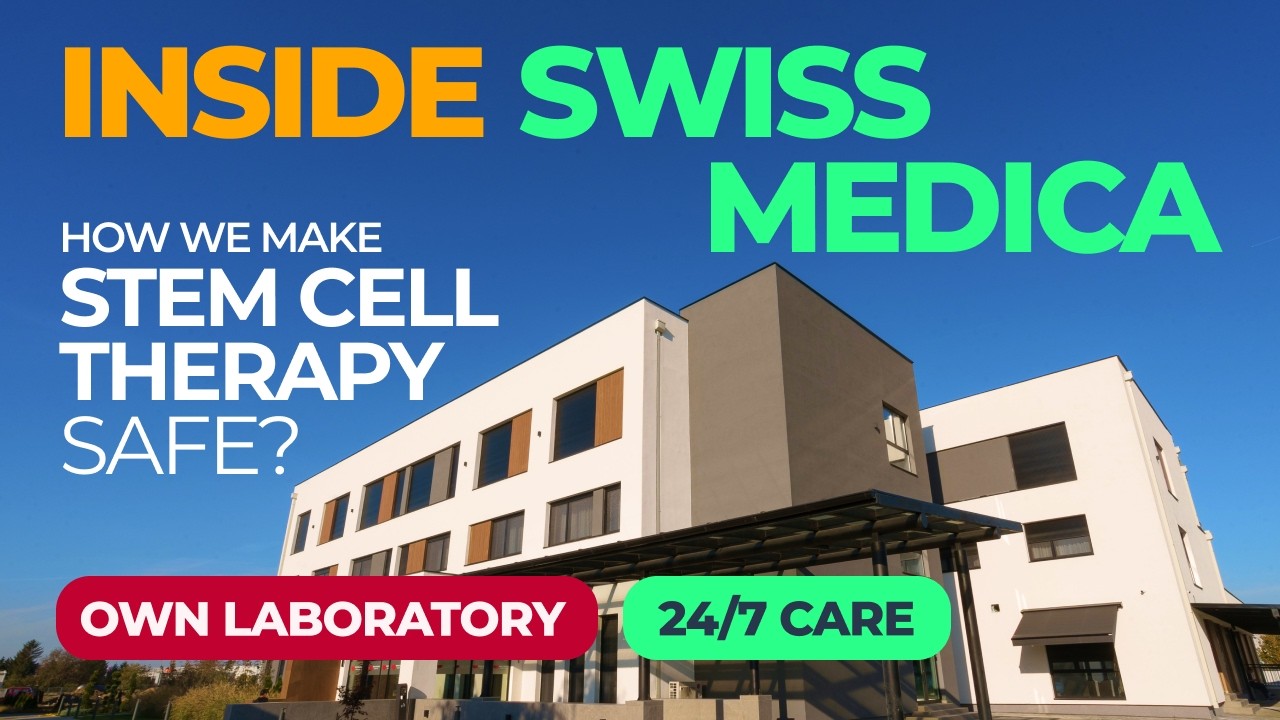
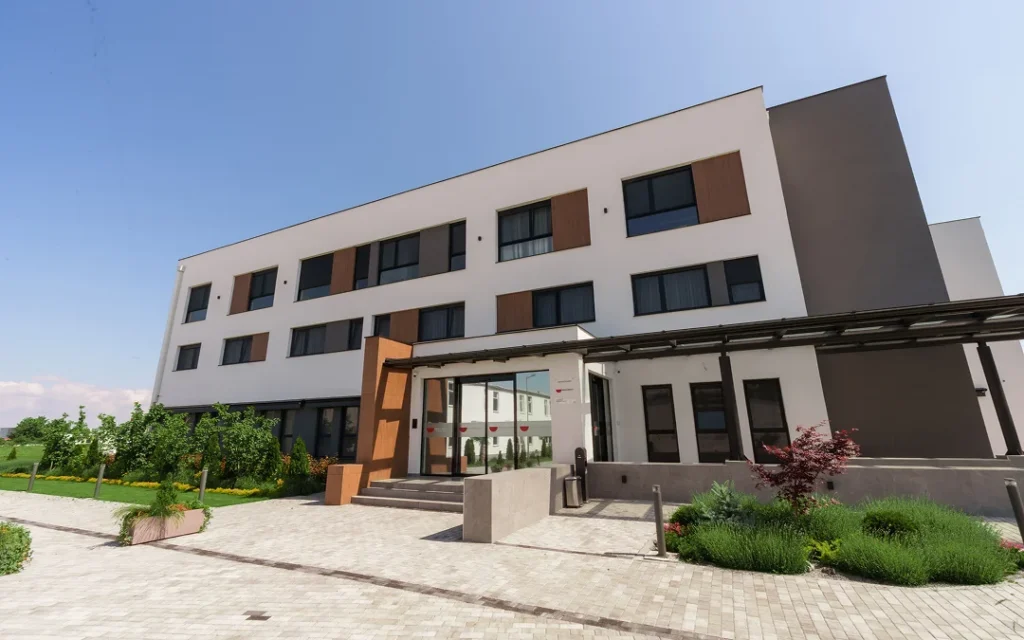
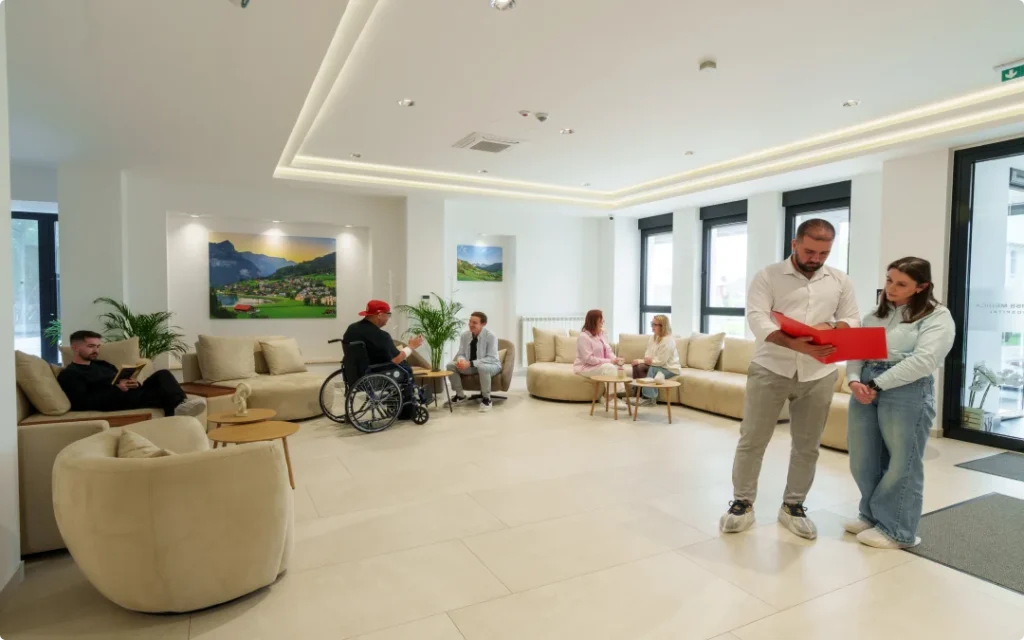
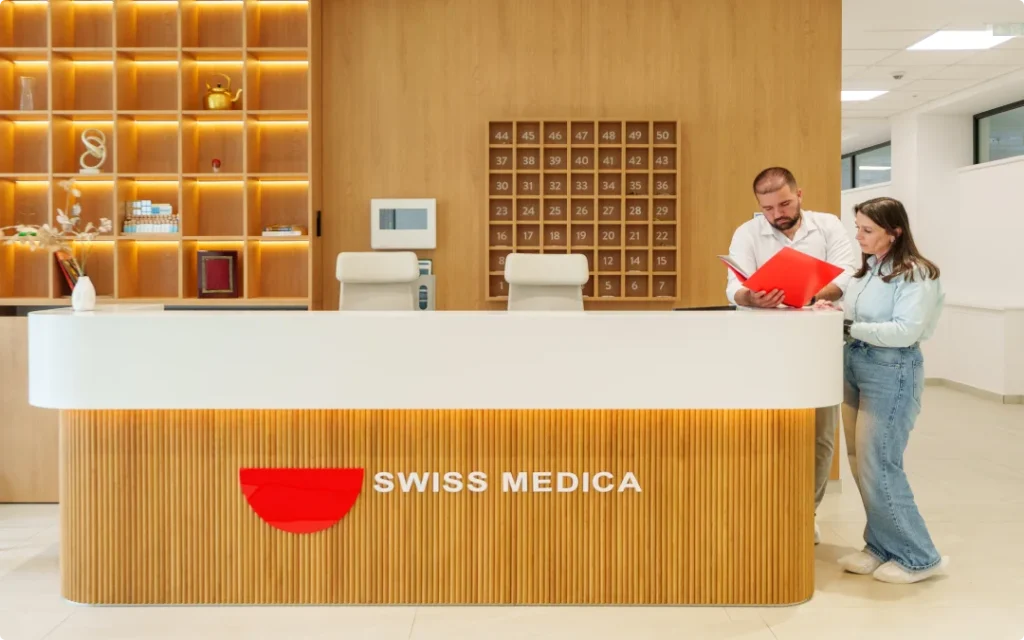
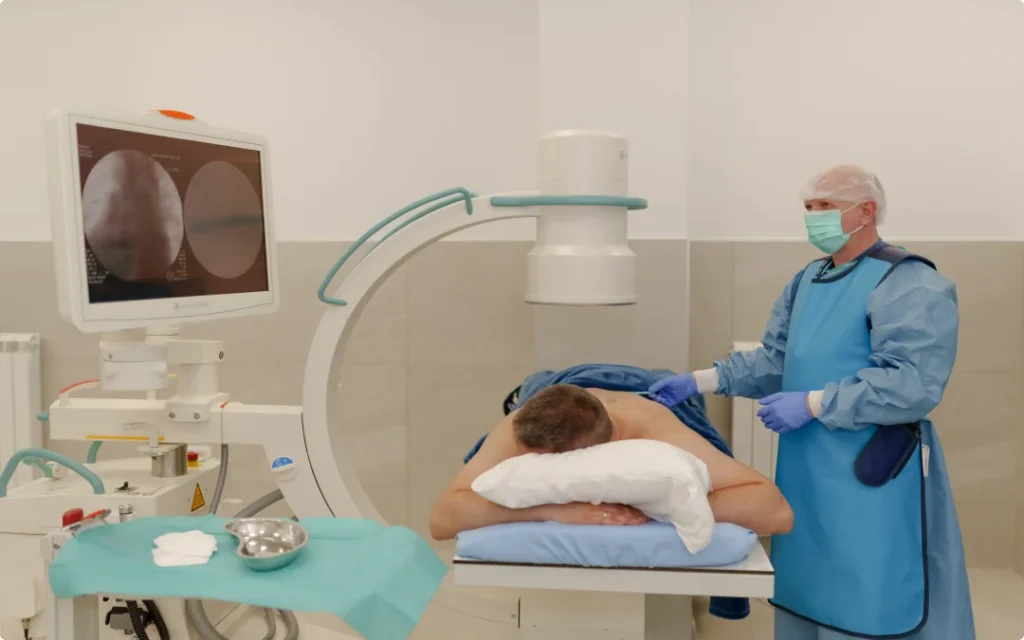
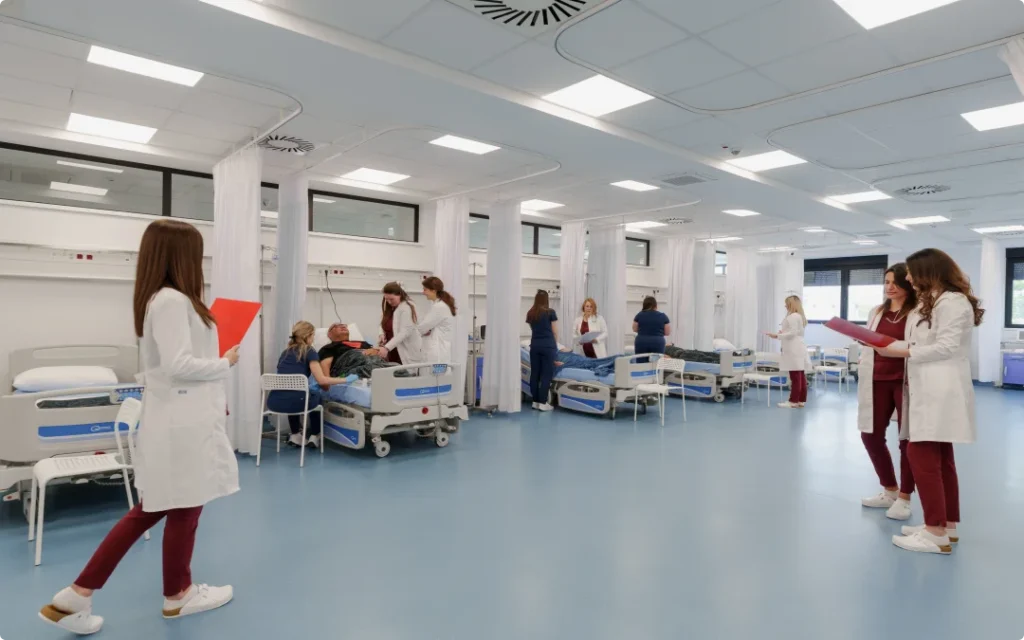
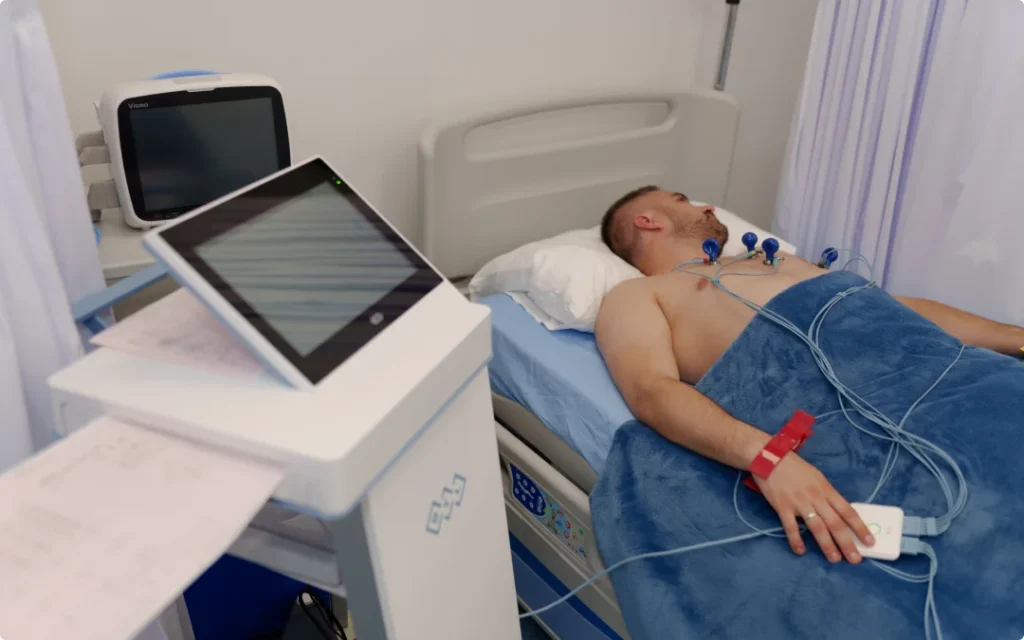
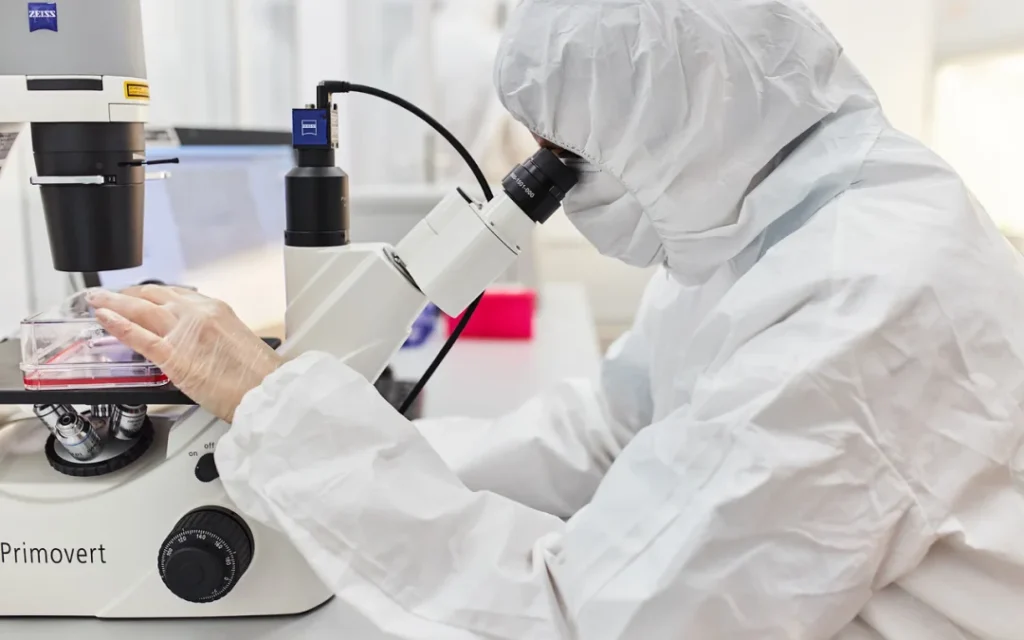
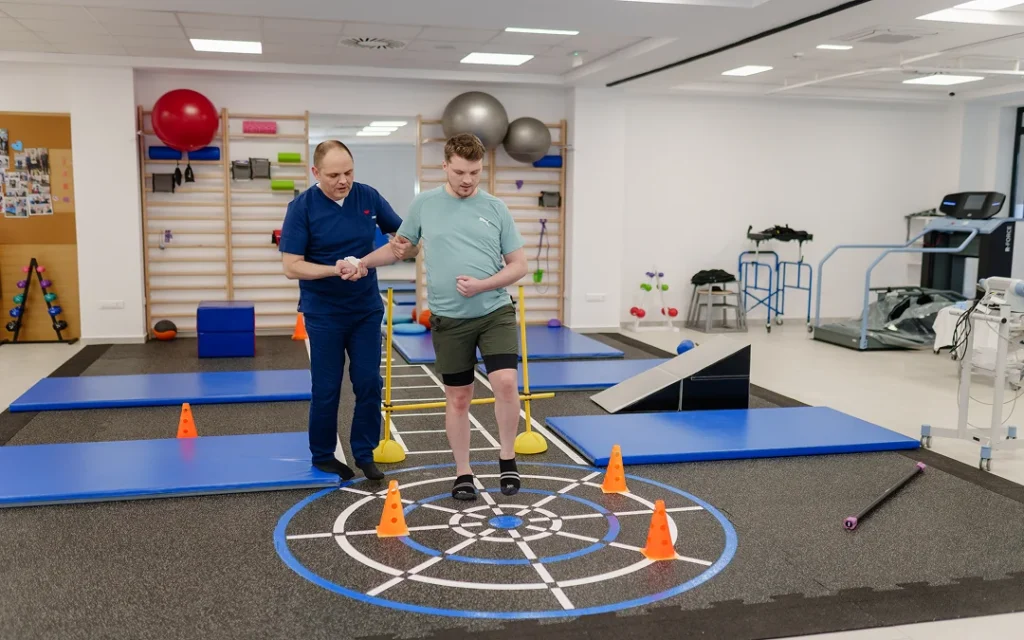
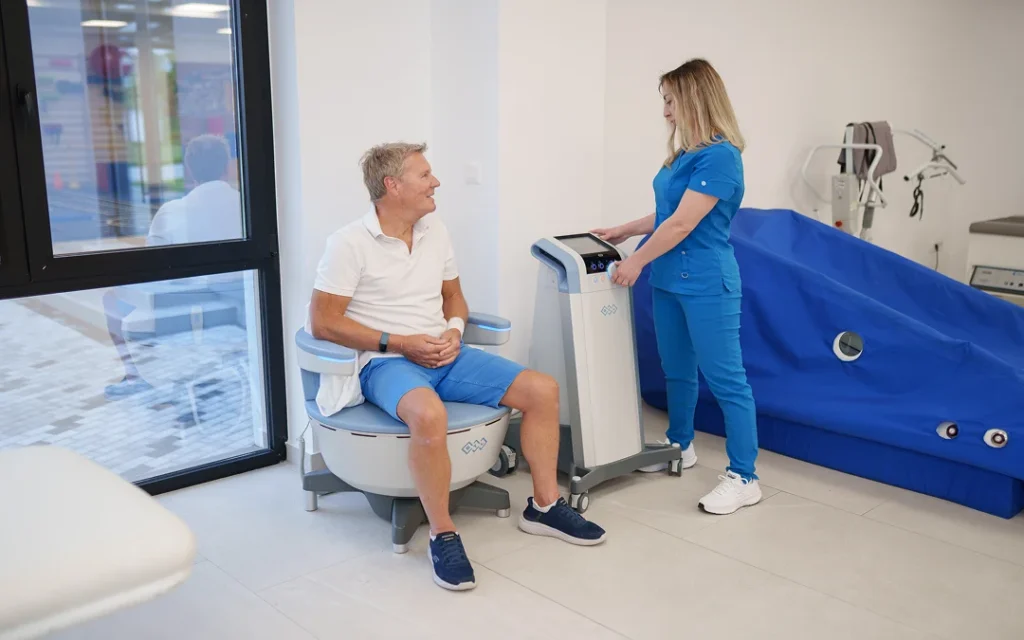
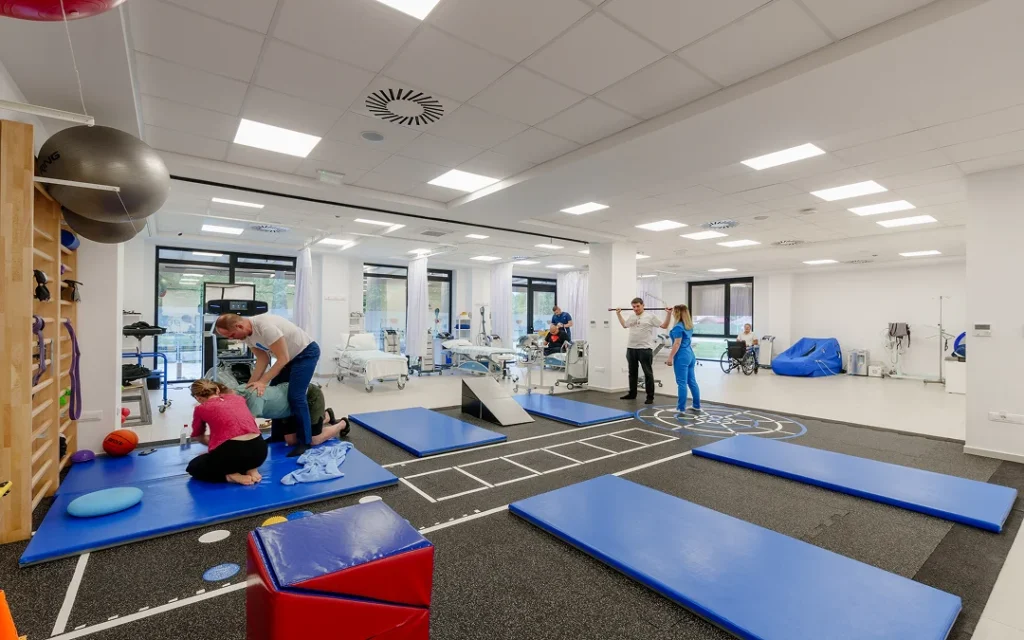
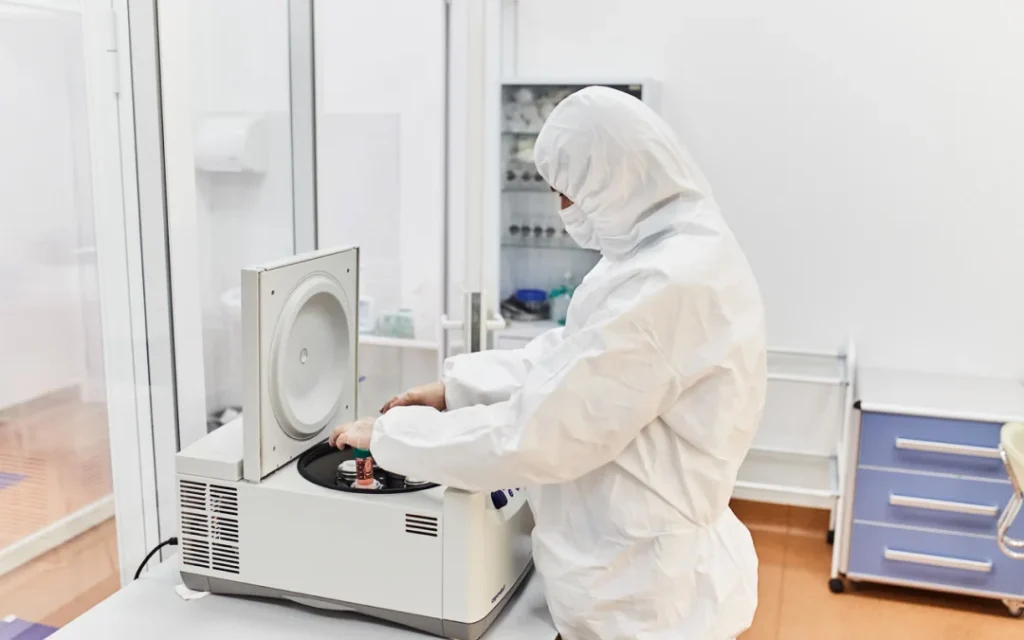
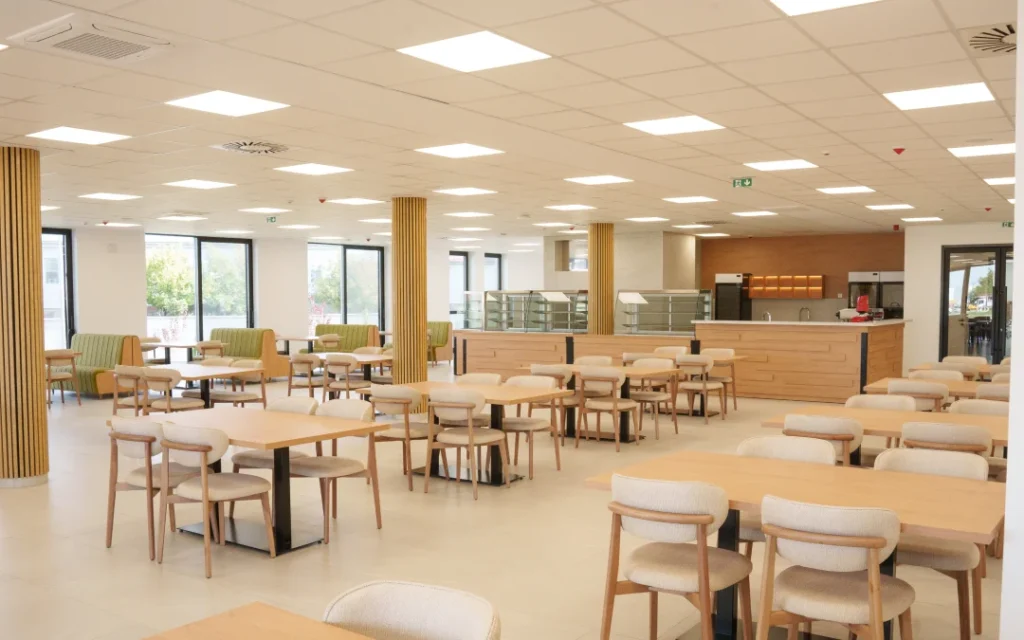
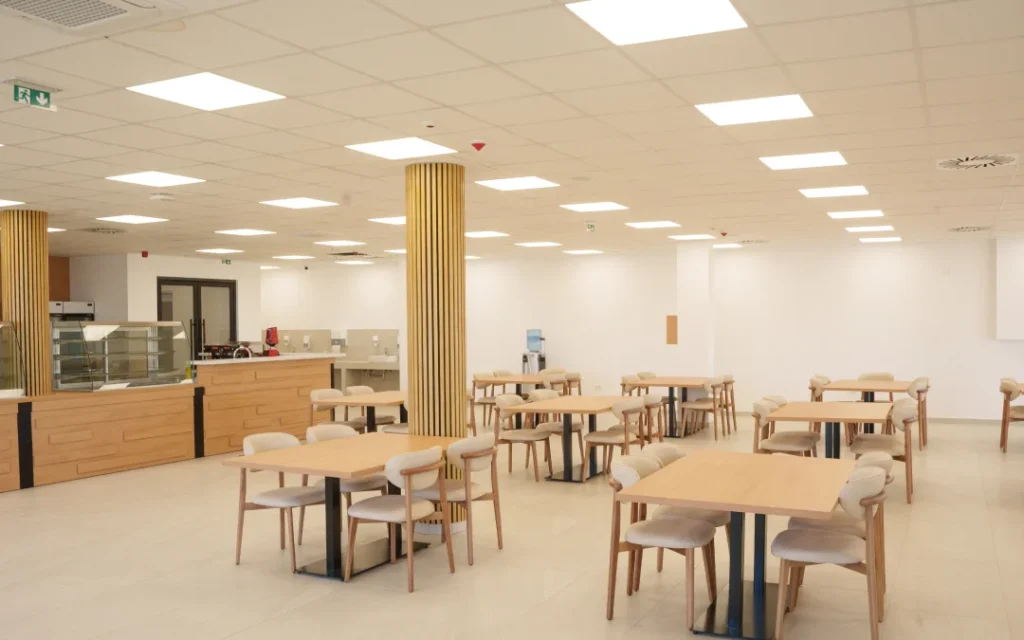
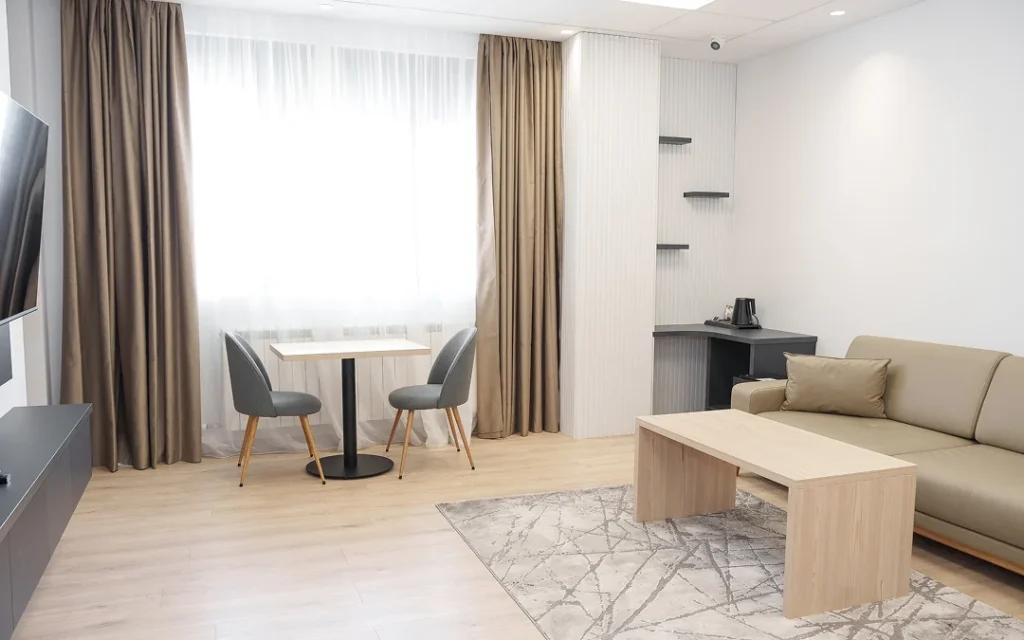
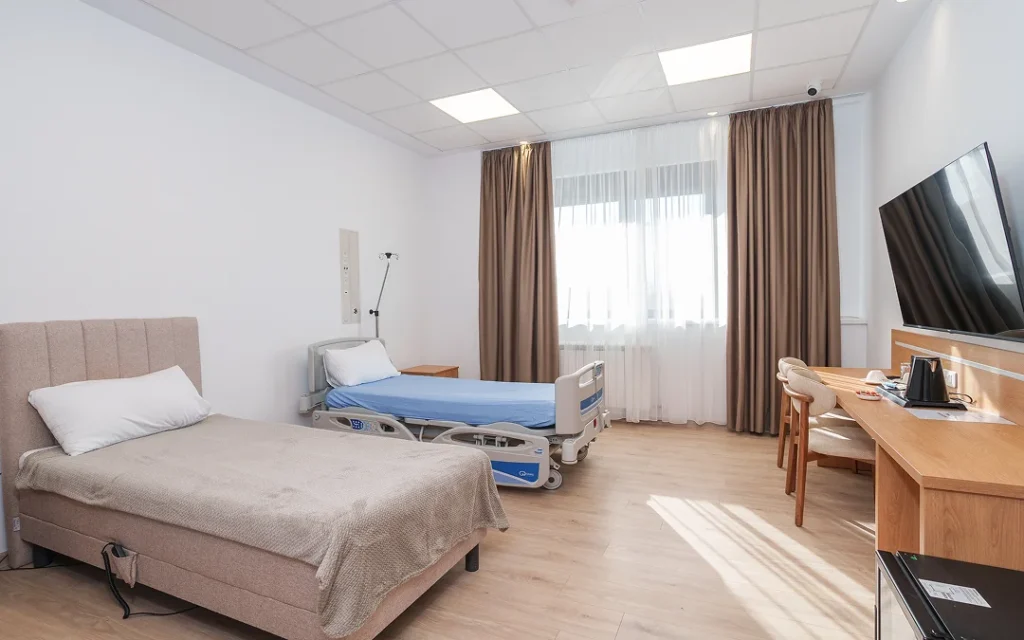
Inside Our Stem Cell Hospital in Serbia

The Science Behind Our Stem Cell Therapy
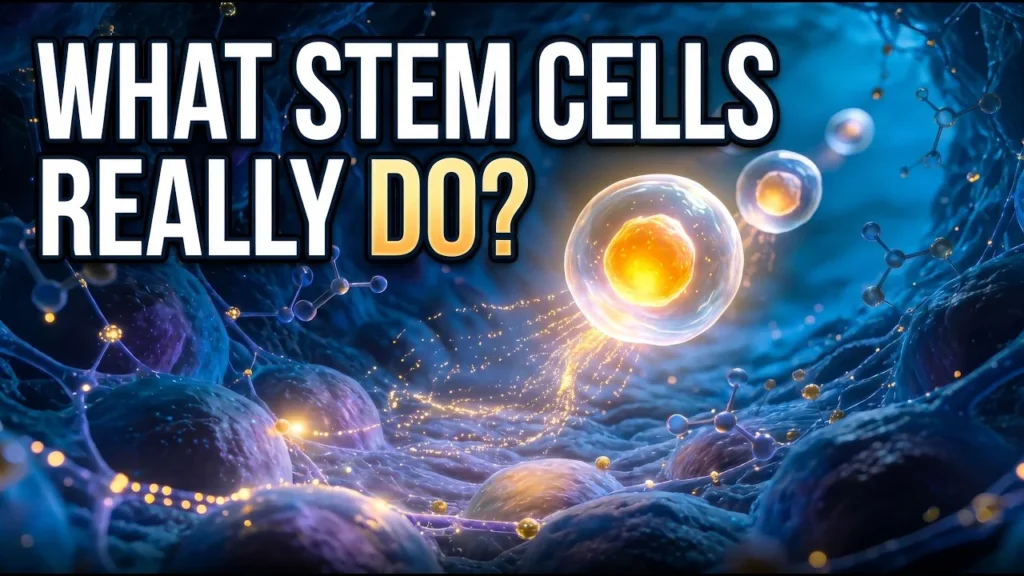
At Swiss Medica, we primarily work with mesenchymal stem cells (MSCs) — adult stem cells widely studied for their ability to support and regulate the body’s natural healing, repair, and regulatory processes.
MSCs send biological signals (such as growth factors) that
- Support balanced immune and inflammatory responses
- Assist natural tissue repair and recovery
- Improve communication between cells in affected areas
Because these biological processes are involved in many conditions, MSCs are actively studied across a wide range of clinical fields.
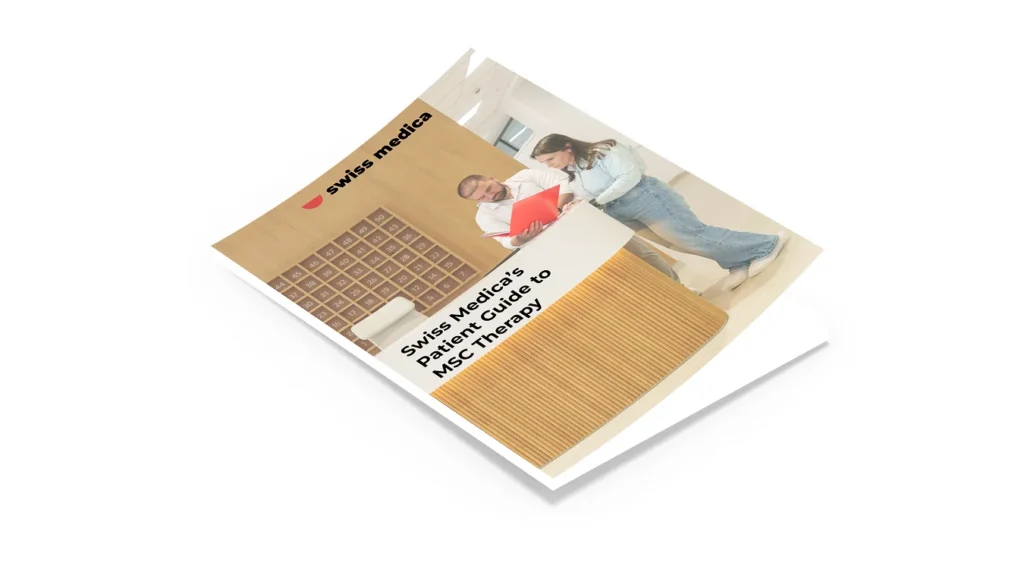
Swiss Medica’s Patient Guide to MSC Therapy
Not all stem cell therapies are the same. This guide explains the key differences, why some approaches remain investigational, and what research really says about safety and risks — giving you a clearer perspective when considering your options.
What Makes Our Approach to Stem Cell Therapy Different

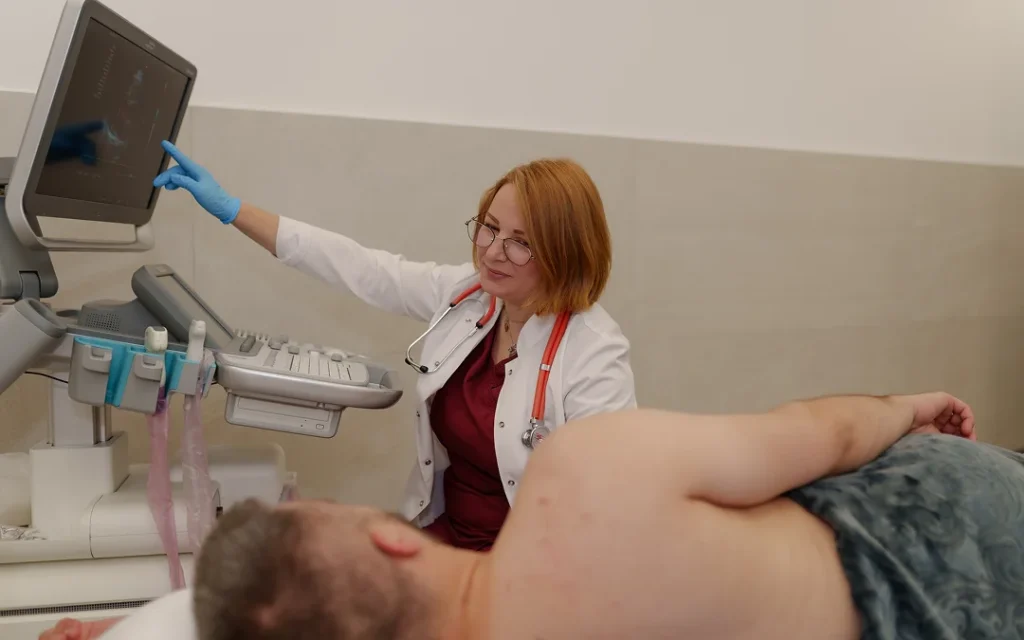
Comprehensive Medical Analysis
Every decision is based on real data — not assumptions.
- Comprehensive review of medical history, diagnostics, and test results
- Careful assessment of treatment suitability and expected outcomes
- Identification of potential risks and limitations before therapy begins


Personalized & Integrated Treatment
No standard protocols — each plan is built around the patient
- Treatment strategy based on patient’s condition and goals
- Multidisciplinary team approach addressing all aspects of the condition
- Combination of regenerative and supportive therapies (physiotherapy, IMR, etc.)


Continuous Care & Follow-Up
Support does not end after treatment.
- 24/7 care and supervision by the medical team during your stay
- Monitoring of progress and response to therapy
- Ongoing communication with the medical team after discharge

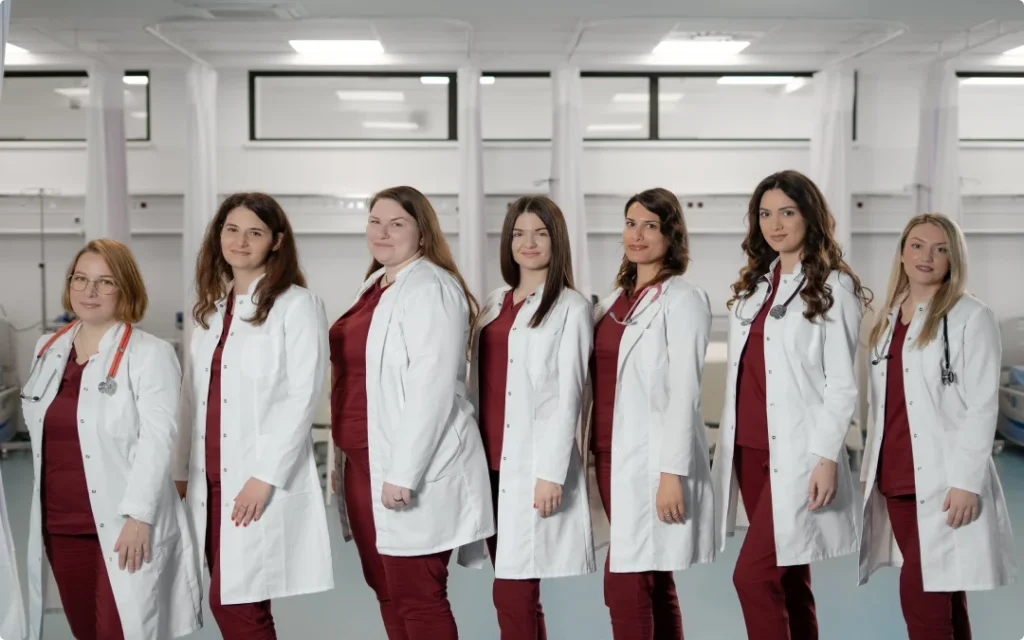
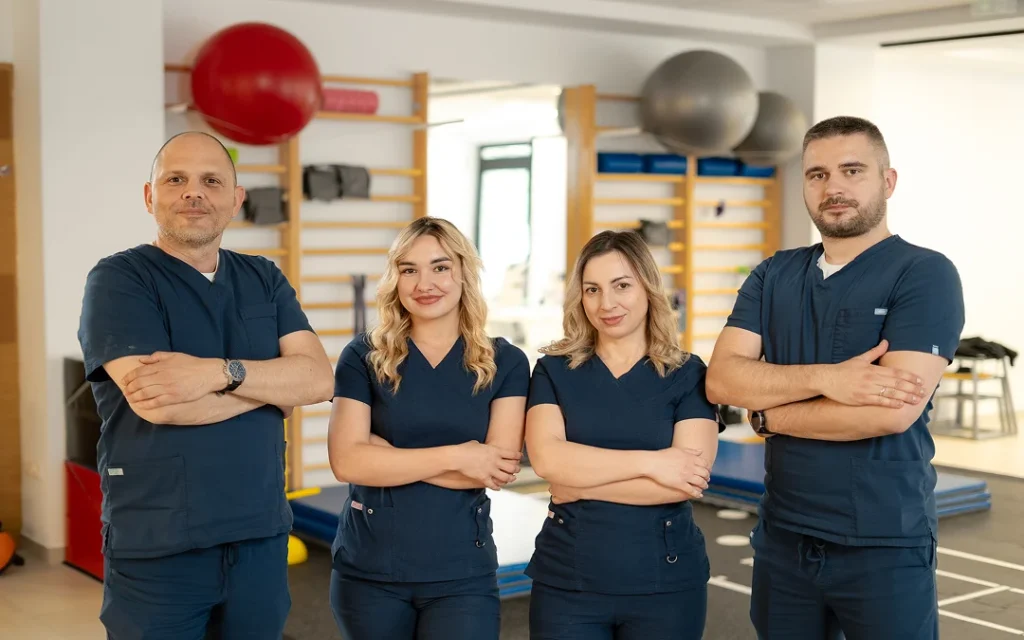
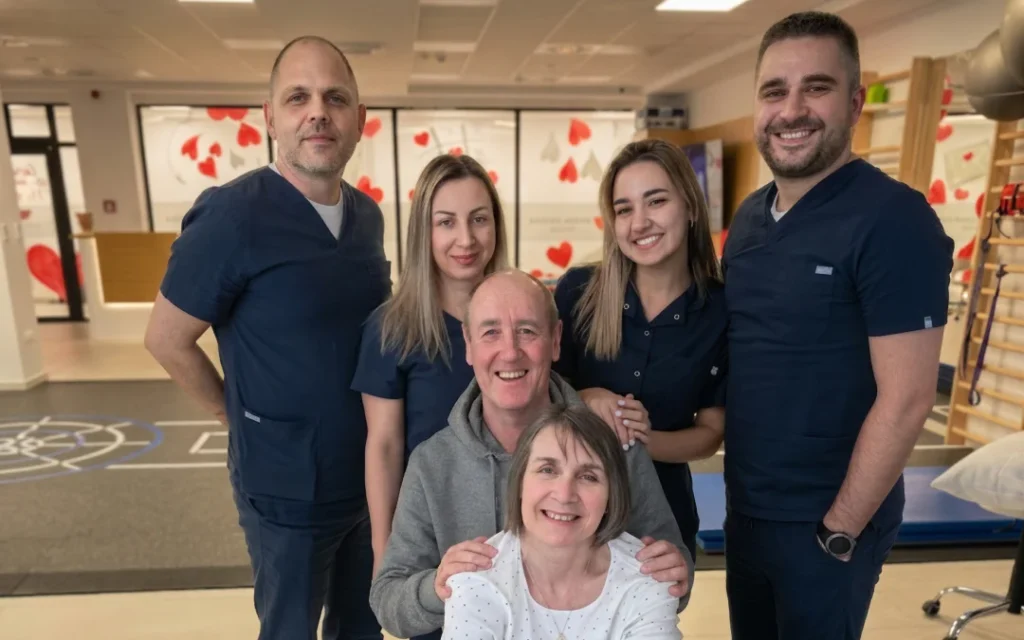
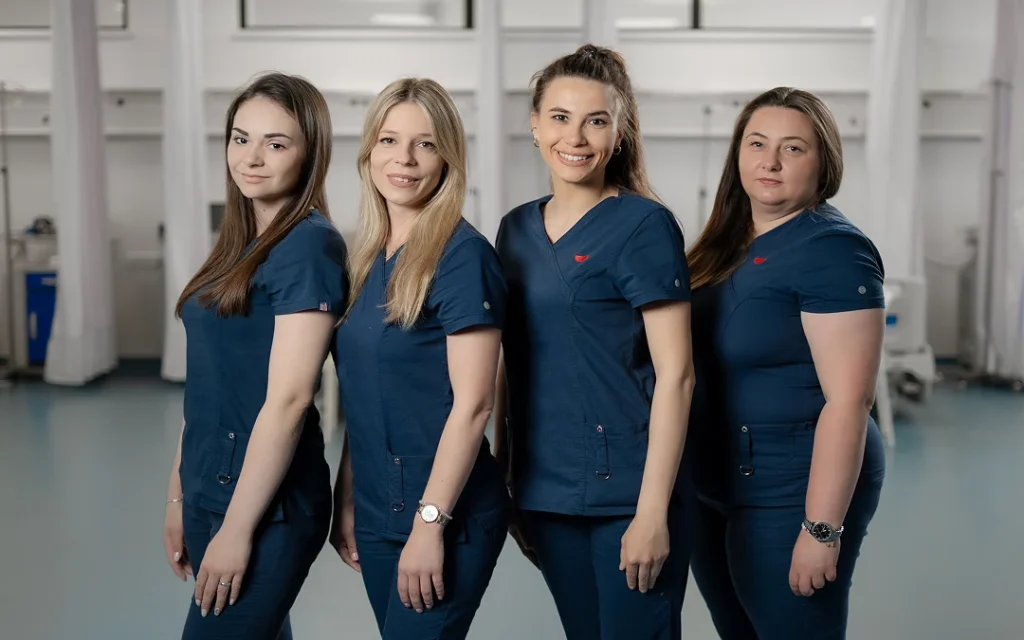
English-Speaking Care & Coordination Team
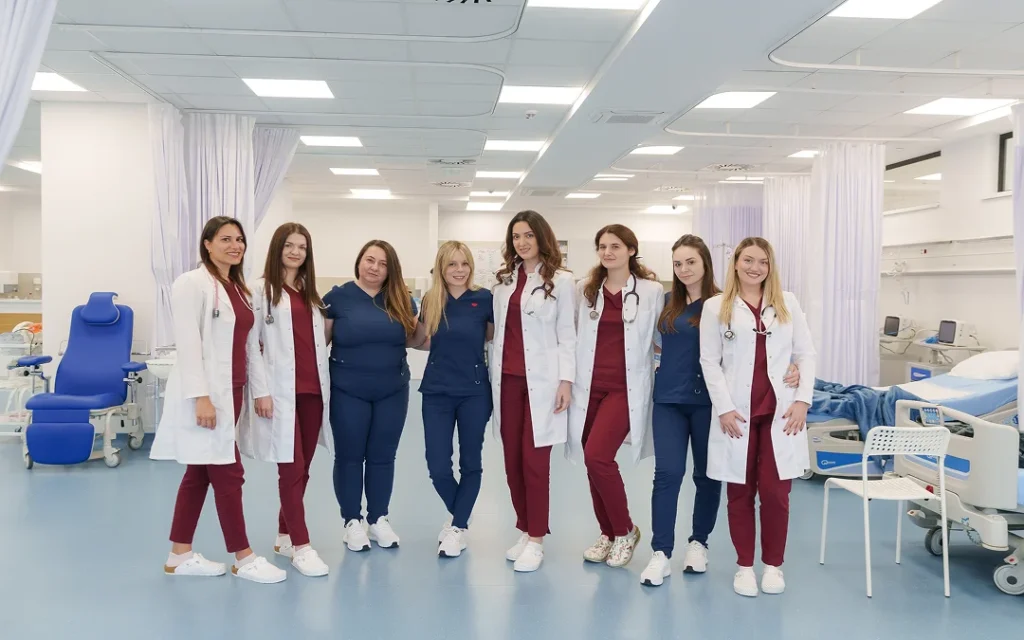
Our multidisciplinary team supports patients throughout the medical evaluation and care coordination, with interpreter services available if needed.
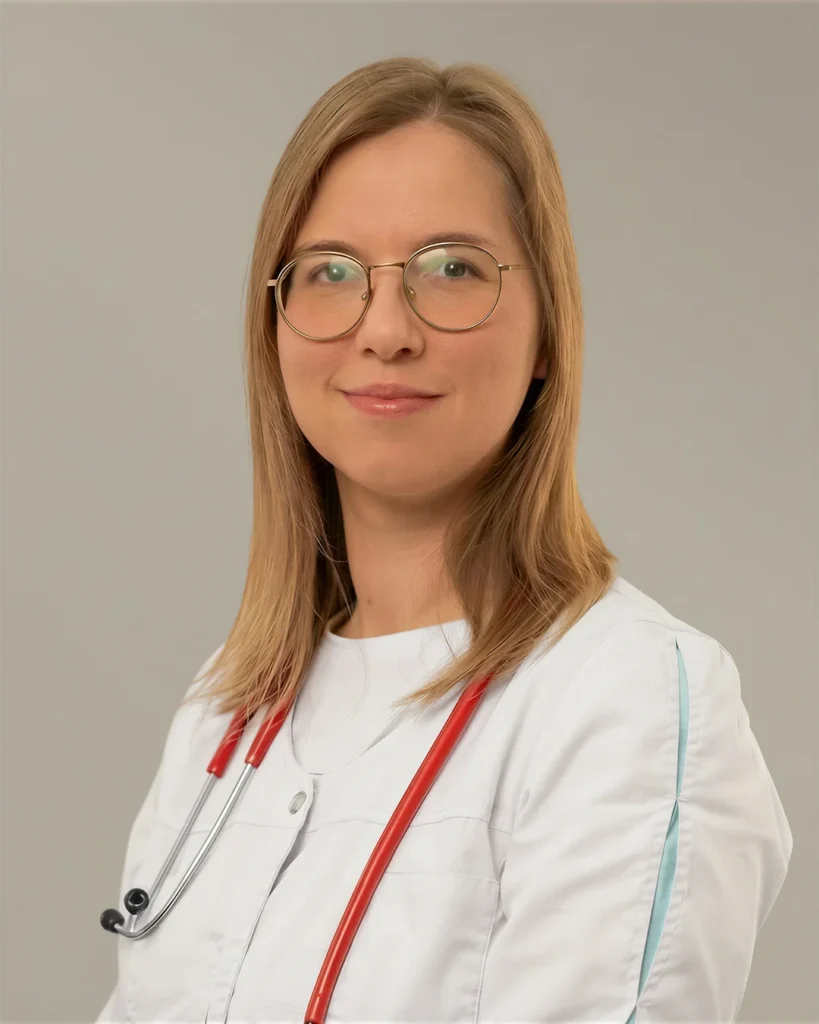
Dr. Lana
Director of Research and Development
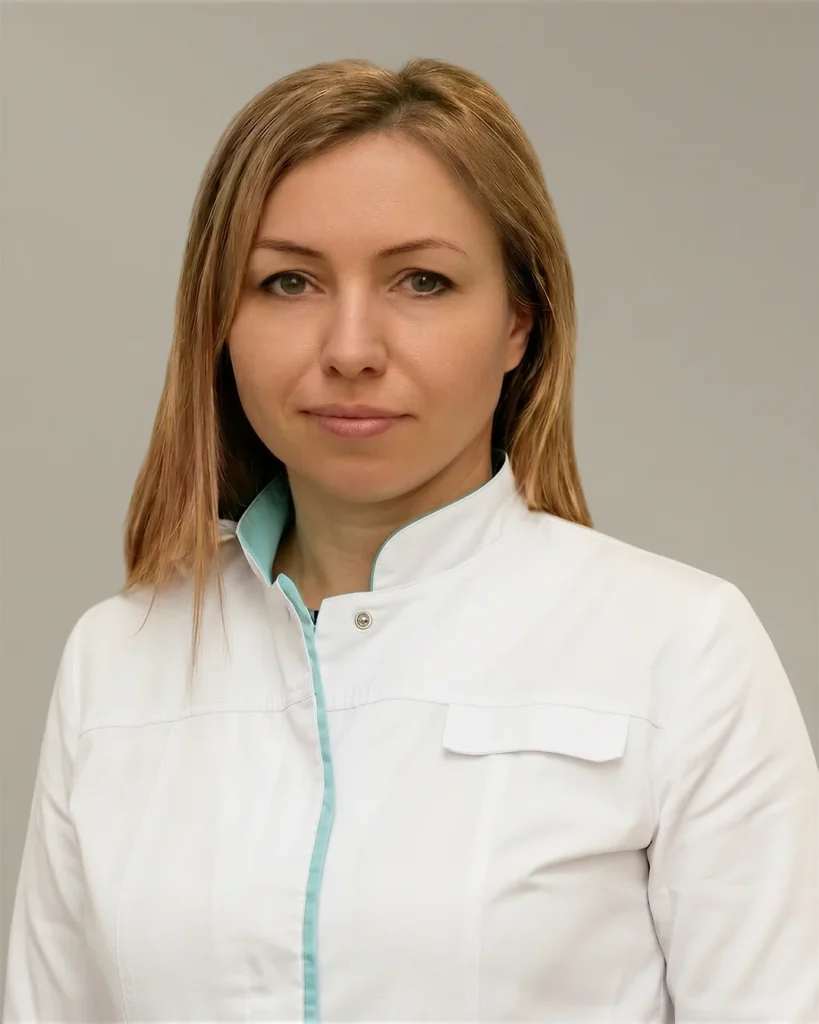
Dr. Alexandra
MD, Regenerative and Intensive Care Specialist
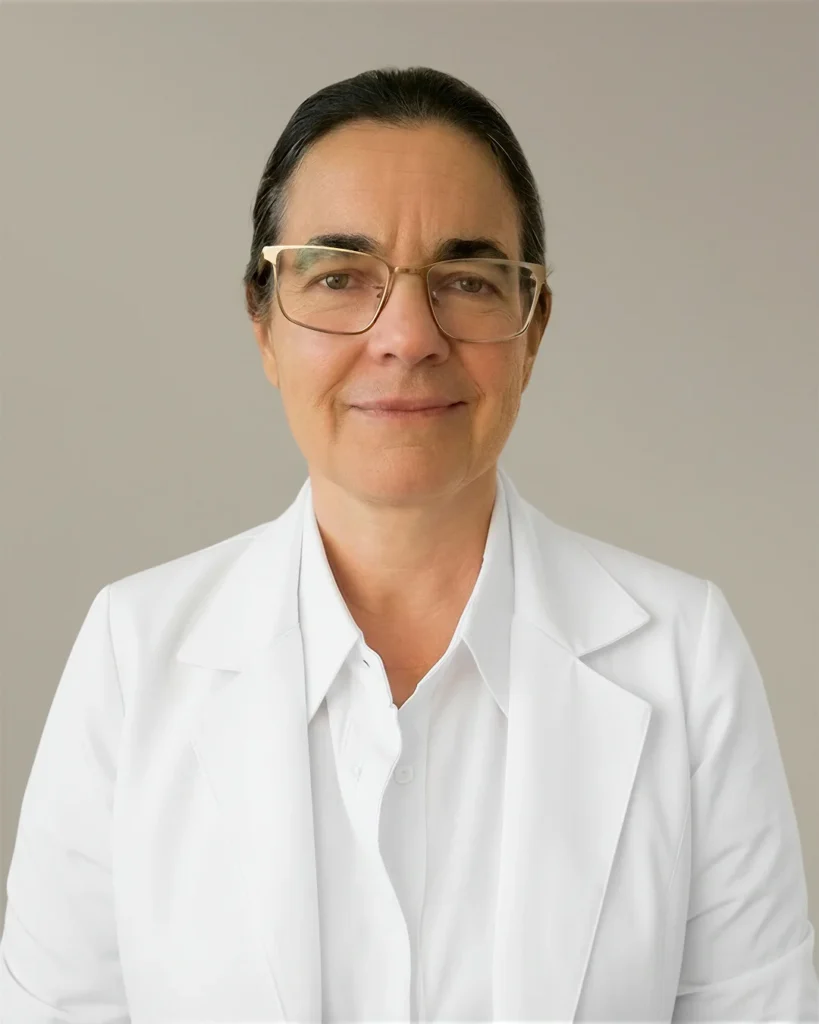
Dr. Nina
MD, PhD, Regenerative Specialist

Dr. Karen
MD, Regenerative Specialist
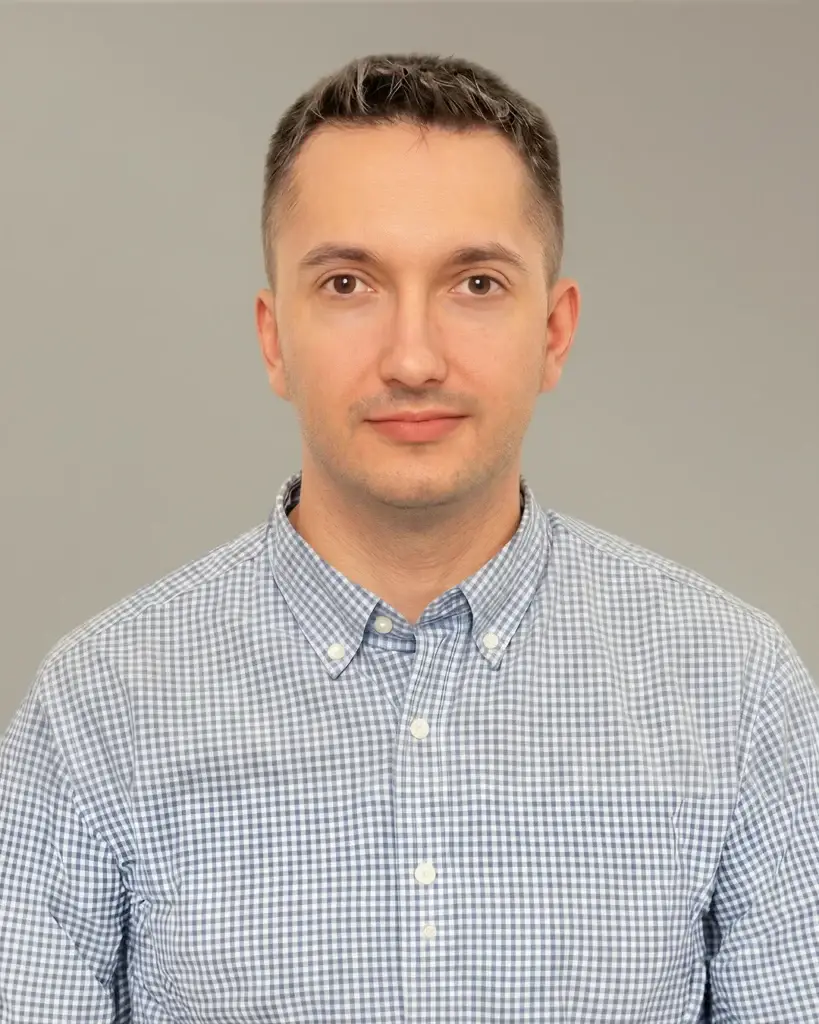
Alex
Head of Medical Advisers
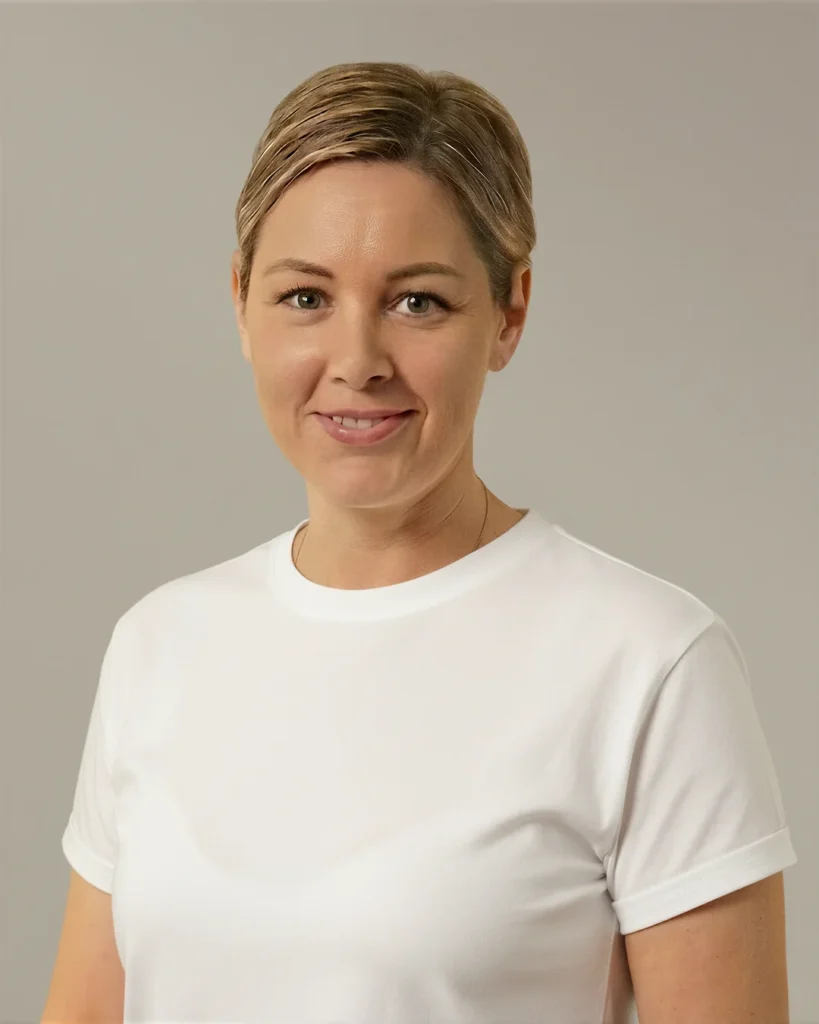
Anastasia
Head of The Hospitality Unit
Safety, Ethics & Transparency
Based on our clinical experience, an informed patient is better equipped to make confident and safe treatment decisions.

Medical Protocols & Oversight
Regenerative therapies at Swiss Medica follow European clinical and ethical standards, with careful patient selection and ongoing oversight by a multidisciplinary team with expertise in regenerative medicine research and clinical care.

European Lab Quality Control
To support safety and consistency, all cellular products used in our programs undergo quality control in our in-house laboratory, including testing for sterility, cell identity, viability, and key functional characteristics prior to clinical use.

Transparent Communication
We provide clear guidance on treatment options, potential benefits and limitations, as well as practical aspects such as costs and logistics. We also encourage patients to explore reliable sources and ask questions at every step.
Swiss Medica Clinical Facilities
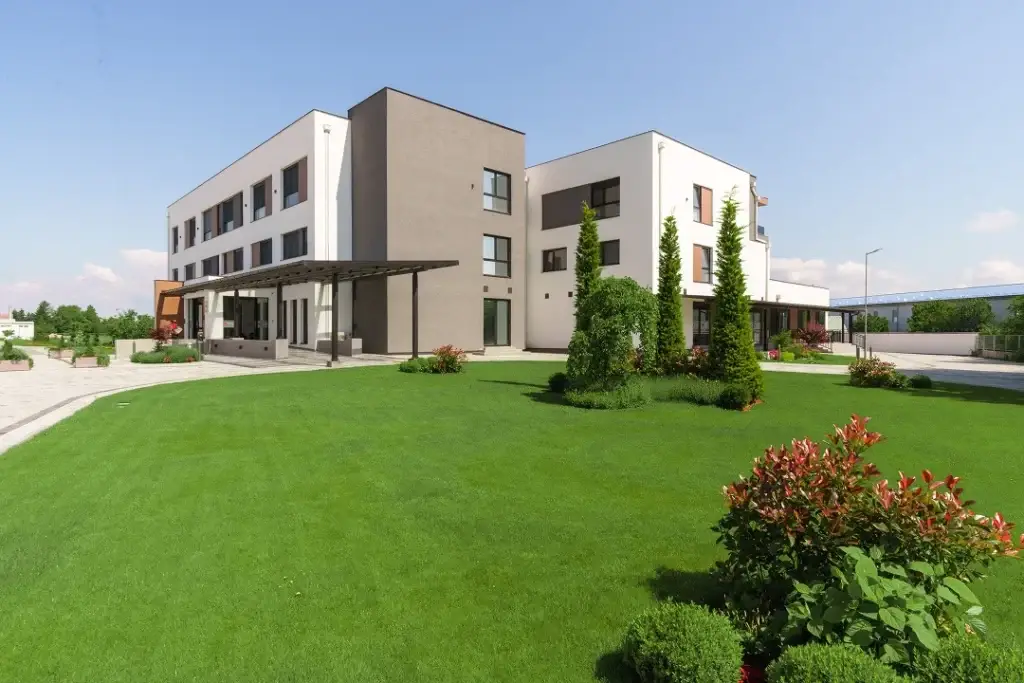
Belgrade, Serbia — Stem Cell Innovation Center & Hospital
Read more →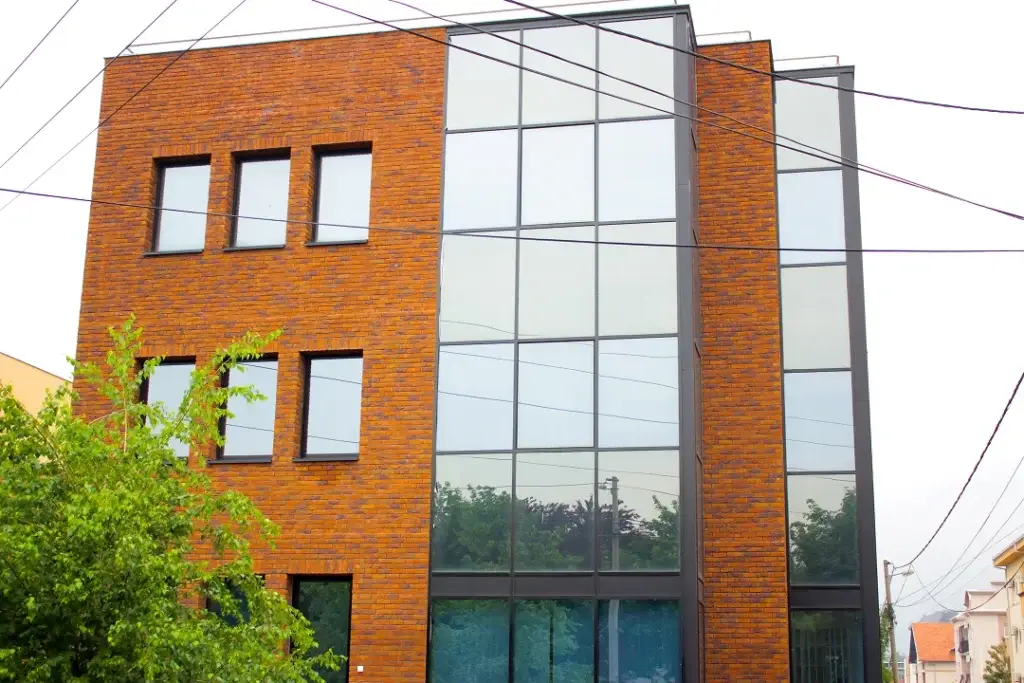
Belgrade, Serbia — Stem Cell Therapy Clinic
Read more →
Rogaška Slatina, Slovenia — Wellness & Rehabilitation Clinic
Read more →Swiss Medica in the Spotlight
Why the Process Matters in Regenerative Medicine | Newsweek
Read the full story in Newsweek
What Top Regenerative Centers Do Differently | The Independent
Read the full story in The Independent
Rethinking Autism Care | USA Today
Read the full story in USA Today
Swiss Medica Unveils Belgrade Hospital | TheStreet
Read the full story in TheStreet
Can Stem Cell Therapy Slow Aging and Fight Chronic Diseases? | Featured on MSN
Read the full article in MSN
What Happens Inside a Stem Cell Clinic? | Featured on USA TODAY
Read the full article in USA TODAY
Stem Cell Therapy Breakthrough | Reuters Documentary
Full feature and article on Reuters
Multiple sclerosis treatment | UK television interview
Swiss Medica YouTube chanellFurther Reading on Regenerative Stem Cell Treatments
List of Diseases Treated by Stem Cell Therapy
Stem cell-based therapy for human diseases is no longer just...
Stem Cell Therapy Success Rate: What Real Results Say
Stem cell therapy, a groundbreaking approach leveraging the body’s regenerative...
Stem Cell Tourism: Cheapest Stem Cell Therapy in The World
Stem cell therapy, a groundbreaking approach that harnesses the body’s...
Reverse the Signs of Aging with Stem Cell Therapy
Stem cell therapy for anti-aging is a treatment that uses...
Stem Cell Therapy for Autism and Success Rate After Treatment
As traditional neurologic procedures and medications often fall short in...
Early Symptoms of Multiple Sclerosis in Women
Multiple sclerosis (MS) is a chronic neurological disease that affects...
Start with a Free Medical Consultation
Our doctors will review your medical history and discuss possible treatment options.
During the consultation, they will:
- Answer your questions
- Assess your suitability for regenerative therapies
- Explain the treatment protocol, expected outcomes, and next steps
- Provide a cost breakdown and explain pricing factors
Submitting the form does not mean starting treatment. It allows our medical advisers to determine whether further evaluation is appropriate.
*
All cases are reviewed individually by medical professionals at our stem cell therapy center. Not all patients are eligible for regenerative therapies at a stem cell clinic.
Frequently Asked Questions
Stem cell therapy is a form of regenerative therapy that uses cells—most commonly mesenchymal stem cells (MSC stem cells)—to support repair, reduce inflammation, and improve cellular function. At a stem cell treatment clinic or regenerative medicine clinic, treatment typically includes:
- Medical evaluation and diagnosis
- Personalized treatment planning
- Cell processing and administration
- Follow-up and supportive therapies
A modern stem cell therapy center often combines stem cells with additional regenerative approaches (e.g., exosomes, IMR) to enhance outcomes and support long-term recovery.
Patients visiting a stem cell hospital or stem cell therapy center typically include:
- Individuals with chronic or degenerative conditions
- Patients with neurological or orthopedic disorders
- People seeking recovery after injury
- Those interested in anti-aging or regenerative support
Eligibility is always determined individually.
When selecting a stem cell treatment in Europe or other parts of the world, consider:
- Medical expertise in regenerative medicine
- Safety standards and clinical protocols
- Transparency of results and expectations
- Availability of follow-up care
- Clear pricing and treatment structure
A reliable stem cell center should always provide a detailed medical assessment before recommending treatment.
Swiss Medica is a regenerative medicine clinic in Europe that combines strict medical standards with accessibility through medical tourism. Key differences include:
- Multidisciplinary medical team specialized in innovative regenerative therapy
- In-house GMP laboratory for full control over cell quality
- Personalized treatment programs using mesenchymal stem cells
- Integration of supportive therapies for better outcomes
Stem cell therapy is used to support recovery in:
- Neurological and developmental conditions (e.g., autism, cerebral palsy, Parkinson’s disease, multiple sclerosis, stroke)
- Orthopedic issues (joint degeneration, injuries)
- Respiratory diseases (COPD, asthma)
- Autoimmune and chronic conditions
- Cardiovascular and metabolic disorders
It is also used for anti-aging and recovery support.
Yes. At a stem cell treatment clinic, MSC stem cells are commonly used to:
- Support cartilage and tissue repair
- Reduce inflammation
- Improve mobility
This is a common application ifor orthopedic conditions.
Therapies that use mesenchymal stem cells have shown good results in helping patients recover after a stroke or traumatic brain injury (TBI). MSCs are used in innovative regenerative therapy to:
- Reduce inflammation
- Support neuroplasticity
They also support the brain’s ability to adapt and recover, especially when combined with a structured rehabilitation program.
Even in advanced COPD with significant lung damage, this approach can lead to measurable functional and symptomatic improvements. The extent of benefit varies with disease stage, the degree of irreversible damage, and overall health.
Treatment may help:
- Reduce inflammation
- Improve breathing and physical tolerance
- Support overall lung function
It does not cure COPD but may improve quality of life.
Yes. Many patients visit our stem cell center for preventive and longevity-focused programs using:
- Mesenchymal stem cells
- Exosomes therapies
Each procedure is combined with additional supportive therapies such as Intracellular Metabolism Recovery (IMR) programs, kinesiotherapy, and medical device-based therapies, among many others. These programs aim to support energy, skin health, and overall cellular function.
Stem cell therapy can be safe when performed in a regulated stem cell hospital using clinically tested cell types like MSC stem cells.
Safety depends on:
- Proper patient selection
- Certified laboratory processes
- Medical supervision
At modern stem cell treatment clinics, cells are typically:
- Donor-derived (umbilical cord or placenta after healthy births)
- Patient-derived (fat, bone marrow, etc.)
Swiss Medica uses only mesenchymal stem cells, which are ethically sourced and widely used in regenerative medicine.
At Swiss Medica, the process includes:
- Collection (donor or patient)
- Laboratory processing in controlled conditions
- Administration (IV, injections, or other methods) and monitoring
All steps follow strict medical protocols to ensure safety and effectiveness.
Most side effects are mild and temporary:
- Fatigue
- Mild fever
- Injection site discomfort
MSC stem cells are known for high tolerability and low risk when used in a professional stem cell hospital.
Mesenchymal stem cells have low immunogenicity, meaning:
- Minimal risk of rejection
- No evidence of tumor formation when properly prepared
This makes them widely used in regenerative therapy.
After treatment, some patients may experience mild, short-term side effects, which can include:
- slight increase in body temperature
- temporary fatigue
- minor soreness at the injection or IV site
- mild headache
The majority of side effects generally do not require a prolonged stay at the stem cell treatment clinic and subside within days, with over-the-counter pain relievers minimizing them.
The treatment package at Swiss Medica includes comprehensive medical care along with full support for international patients. This covers:
- Medical procedures
- Accommodation in comfortable patient rooms with space for one accompanying person
- Balanced nutritional meals
- Airport transfers and translation
- Follow-up care
Ongoing support is provided through online consultations for approximately 3–6 months after you return home.
At Swiss Medica, doctors create a treatment plan based on the initial consultation and physical examination, taking into account your specific condition and overall health.
The average treatment duration is
- 3 to 9 days for autistic patients,
- 5 to 9 days in other conditions.
In many cases, patients continue supportive care at home for up to five weeks using exosomes and other non-cell products. Doctors stay in touch with each patient, making sure progress is carefully monitored and the treatment plan is adjusted when needed.
Most treatments in a regenerative medicine clinic are minimally invasive. Recovery after stem cell therapy is usually quick and typically takes about 2–4 hours.
- Short observation period after procedures
- Return to normal activity within days
Results vary, but generally:
- Early improvements: 1–3 months (such as improved sleep, mood, or energy levels)
- Main results: 3–6 months (patients may notice reduced pain, better mobility, improved focus and behavior, clearer speech, or more stable clinical results)
- Continued progress: up to 12 months (a period during which recovery and learning can progress more efficiently)
The process starts with an online consultation, scheduled in your time zone and at a time that is convenient for you. Then the medical team reviews your medical history to determine whether treatment is appropriate.
Only after this evaluation do you proceed with travel arrangements. At this stage, Swiss Medica’s team supports you with:
- Travel planning
- Accommodation
- Treatment scheduling
For most patients, travel is smooth and comfortable. Serbia is a well-established medical tourism hub and is easily accessible from most countries.
Partner with a global hub for regenerative medicine
International collaboration with defined terms for clinics, coordinators, and organizations — combining clinical expertise with seamless patient management.

Join a global care network
Collaborate on clinical and operational levels to expand access to regenerative medicine internationally.
- European clinical infrastructure
- Partner resources and support materials
- Defined clinical protocols and oversight

Refer patients through a ready treatment pathway
We handle medical evaluation, treatment logistics, and follow-up — so you can focus on patient relationships.
- Centralized medical intake
- Travel & care coordination
- Clear partner communication
